


The United States has formally indicted Raúl Castro over the 1996 downing of two civilian aircraft, sharply increasing tensions between Washington and Cuba during a period of growing political and economic pressure on the island.
Federal prosecutors announced charges against the former Cuban leader this week, accusing him of conspiracy to kill U.S. nationals, destruction of aircraft, and murder linked to the shooting down of planes operated by the Miami-based exile group Brothers to the Rescue.
The incident happened in 1996 when Cuban fighter jets destroyed two civilian aircraft, killing four people, including three American citizens. At the time, Castro was serving as Cuba’s defense minister under his brother, Fidel Castro. U.S. prosecutors allege he played a central role in authorizing the military operation.
The indictment was announced in Miami by Acting Attorney General Todd Blanche, who said the United States was pursuing justice decades after the attack. Officials described the case as part of a broader effort to hold foreign leaders accountable for violence against Americans.
The charges are largely seen as symbolic because Castro is now 94 years old and remains inside Cuba, making extradition highly unlikely. Still, analysts say the move represents a major escalation in the Trump administration’s campaign against Cuba’s communist government.
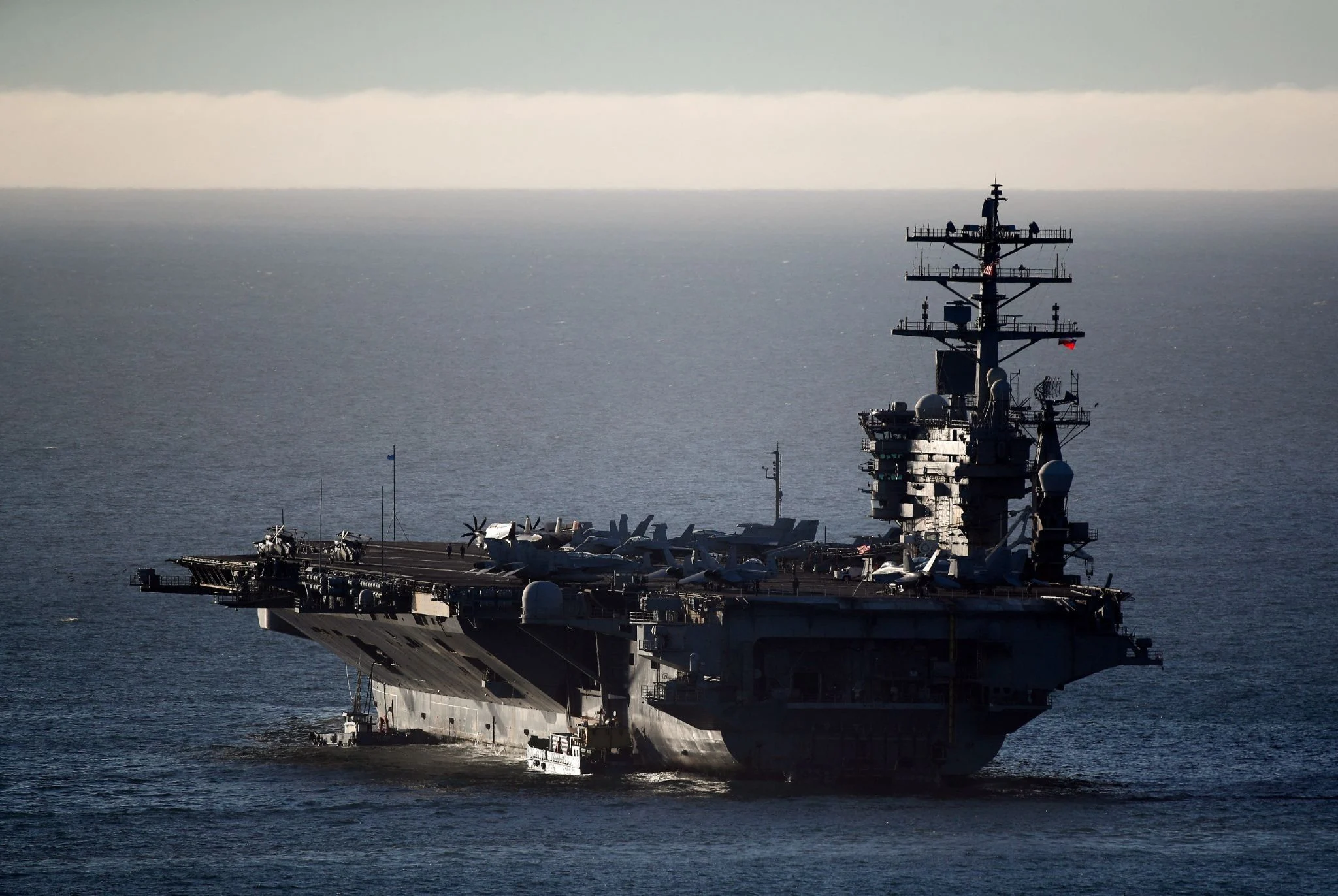
At the same time, the arrival of the USS Nimitz carrier strike group in the Caribbean has added to speculation about rising military pressure in the region. U.S. Southern Command described the deployment as a demonstration of military readiness and strategic presence.
However, there is currently no official evidence that the United States is preparing a military intervention in Cuba. President Donald Trump denied reports suggesting immediate military escalation, saying the deployment was intended to project strength rather than signal invasion plans.
The Trump administration has recently increased sanctions and diplomatic pressure on Cuba while also targeting allies of the Cuban government in the region.
Cuban President Miguel Díaz-Canel condemned the indictment and described it as politically motivated. Cuban officials continue arguing that the 1996 aircraft incident involved violations of Cuban airspace and was an act of self-defense. U.S. authorities maintain the planes were flying in international airspace when they were shot down.
The legal action comes as Cuba faces a severe economic and energy crisis. Long electricity outages, fuel shortages, and supply problems have affected daily life across the island, including hospitals and public services.
Despite the worsening conditions, some Cuban citizens continue expressing hope that political and economic changes could eventually improve the country’s future.
The indictment has also drawn comparisons to previous U.S. actions involving Nicolás Maduro, where legal charges and international pressure were combined with military signaling in the region.
Political analysts say the case could further damage already fragile relations between the United States and Cuba. Others believe it is mainly intended to send a political message to Cuban leaders and the Cuban-American community in Florida.
The case is expected to remain highly symbolic unless Castro or other accused officials ever travel outside Cuba and become vulnerable to arrest under international agreements.
For now, the indictment marks one of the strongest legal moves by the United States against a former Cuban leader in decades and highlights growing tensions between both countries amid continuing instability in the Caribbean region.
