


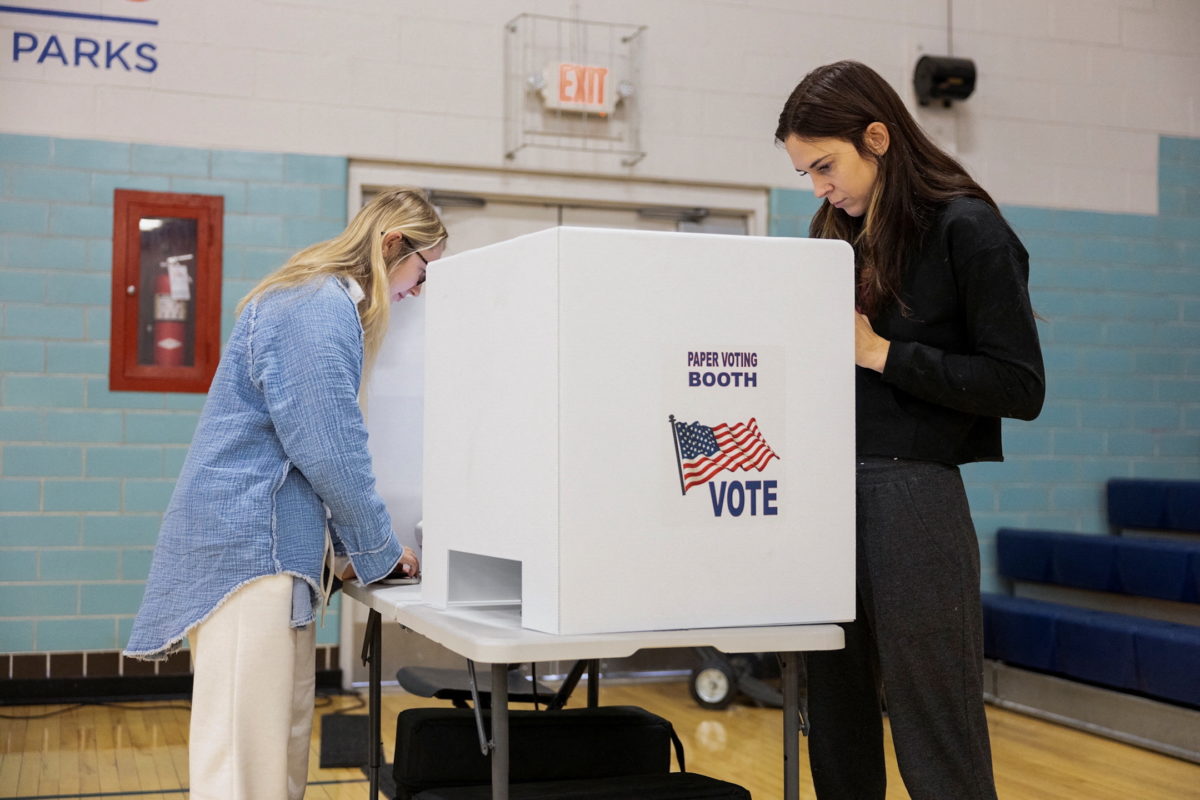
A large-scale review of voter registrations across the United States has triggered a political and legal debate over election integrity and voter rights. Critics say the process could lead to eligible voters being removed from the rolls ahead of upcoming elections.
The program, run through the US Department of Homeland Security, has checked tens of millions of voter records using federal databases. Officials say the system is designed to identify possible cases of noncitizenship or deceased individuals on voter rolls.
According to officials, around 67 million voter registrations have been reviewed through the system. Thousands of entries have been flagged as potential issues, including suspected noncitizens and individuals believed to be deceased.
The effort is part of a broader election policy push under US President Donald Trump, who has called for stronger federal involvement in voter verification and election security systems.
The system used for the checks is known as SAVE, or the Systematic Alien Verification for Entitlements program. It was originally designed to help government agencies confirm immigration status for public benefits.
Officials say the expanded use of SAVE allows states to cross-check voter rolls more efficiently. Supporters argue this helps maintain accurate registration lists and prevents fraud.
However, voting rights groups and civil liberties organizations warn that the system is not fully accurate. They say it can mistakenly flag eligible citizens, especially naturalized citizens or people with outdated records.
Legal challenges have already been filed in multiple states. Critics argue that voters may be removed without sufficient notice or time to correct errors, potentially preventing them from voting in upcoming elections.
In some states, flagged voters are given limited time to prove eligibility before their registration is suspended or canceled. In other cases, registrations are marked as pending while further checks are completed.
Reports show that millions of registrations have been processed through the system over the past year. Officials say tens of thousands of potential matches involve noncitizens or deceased individuals, though these figures represent a very small share of total voters.
Election officials in several states say they are still reviewing flagged cases. In some situations, people identified in the system have turned out to be eligible voters who were incorrectly matched due to data errors.
One case involved a registered voter in Texas who was mistakenly flagged as a potential noncitizen, despite being a US citizen for many years. He later said the issue was caused by outdated records.
Another case involved a voting rights activist whose registration was canceled without clear explanation, raising further concerns about the accuracy of the system.
Civil rights lawyers argue that such errors could discourage voting or prevent eligible citizens from participating in elections. They describe the system as overly aggressive and dependent on imperfect data sources.
Supporters of the program say it is an important tool for maintaining clean voter rolls. They argue that states are responsible for investigating flagged cases and ensuring that only eligible voters remain registered.
Republican election officials in several states have defended the system, saying it helps identify inconsistencies and improve election security. They stress that flagged voters still have opportunities to prove eligibility in most cases.
However, critics say the process places too much burden on voters to correct administrative errors within short deadlines. They warn that some people may miss deadlines due to delays in documentation or lack of notice.
The debate has led to multiple lawsuits challenging both state and federal involvement in the voter verification process. These cases argue that the system may violate voting rights protections if it leads to wrongful removals.
Supporters of election security measures argue that maintaining accurate voter rolls is essential for public trust. They say the system is not designed to automatically remove voters but to trigger further review.
As legal battles continue, the issue remains highly controversial. It reflects broader tensions in US politics over election administration, voter access, and federal versus state control of elections.
With elections approaching, both sides are closely watching how many voters may be affected by the ongoing eligibility checks and whether the system will lead to significant changes in voter registration lists.
