


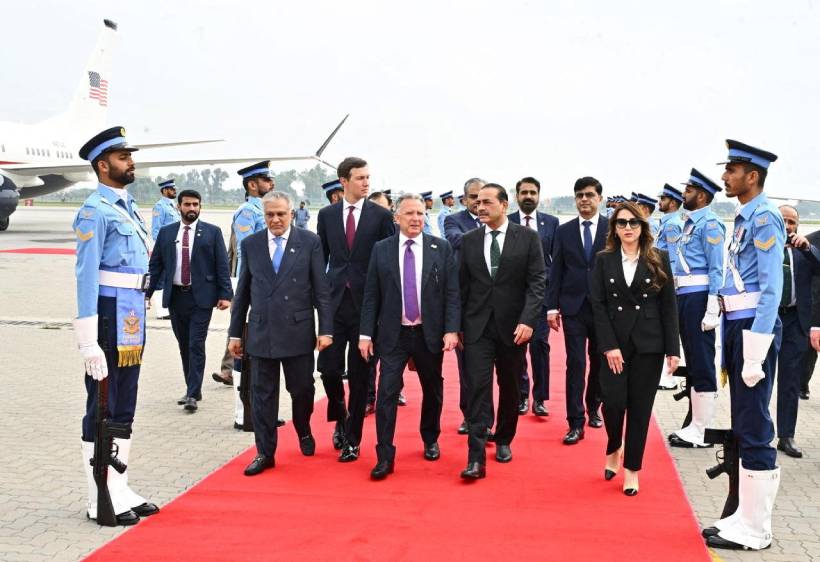
Pakistan has emerged as an important diplomatic player in discussions involving the United States and Iran, according to a new geopolitical analysis examining the 2026 conflict in the Middle East. The report argues that Pakistan, working alongside Saudi Arabia, Qatar, Türkiye, and Egypt, helped keep communication channels open during a period of heightened regional tensions.
The analysis says that while military operations continued during the conflict, diplomatic efforts led by regional partners created opportunities for negotiations that may have reduced the risk of a broader regional war. It notes that these mediation efforts focused on maintaining dialogue between Washington and Tehran despite deep political differences.
According to the report, Pakistan played a central role in facilitating communication through a series of diplomatic meetings, including discussions linked to the Islamabad Memorandum and later negotiation rounds. The analysis states that these channels allowed messages to pass between both sides at times when direct communication was limited.
The report also describes the development of a regional diplomatic group involving Pakistan, Saudi Arabia, Qatar, Türkiye, and Egypt. According to the analysis, the group’s objectives included reducing regional tensions, limiting further military escalation, and encouraging continued diplomatic engagement.
The article argues that this diplomatic cooperation became increasingly important following military actions that raised concerns across the Middle East. It suggests that several regional governments viewed continued escalation as a broader security risk extending beyond relations with Iran alone.
One of the report’s key arguments is that some regional governments resisted efforts to link ceasefire negotiations with broader diplomatic agreements involving Israel. According to the analysis, Saudi Arabia, Qatar, and Pakistan did not move forward with normalization efforts during the period discussed, maintaining that broader political issues remained unresolved.
The report presents this decision as evidence that regional governments sought to separate immediate security discussions from longer-term diplomatic questions. It argues that this approach limited the ability of military developments alone to reshape regional political relationships.
At the same time, the analysis acknowledges several important limitations. It notes that military operations continued throughout the conflict and that ceasefire agreements remained fragile. The report also recognizes that differences continue to exist among regional governments regarding relations with both Iran and Israel.
According to the analysis, countries in the region do not always share identical foreign policy priorities. It points to varying approaches taken by Gulf states as an example of the complex diplomatic landscape that continues to shape regional decision-making.
The report suggests that the most realistic assessment lies between viewing diplomacy as either completely successful or entirely ineffective. It argues that mediation efforts may have helped prevent wider escalation without fully resolving the underlying political and security disputes.
Looking ahead, the analysis outlines several possible scenarios. One possibility is that current ceasefire arrangements continue with occasional security incidents while diplomatic talks remain active. Another scenario suggests that differences among regional partners could reduce the effectiveness of future mediation efforts. A third possibility involves renewed military escalation that could place additional pressure on regional governments.
The report identifies future diplomatic decisions as an important indicator to watch. It suggests that any significant shift in regional normalization policies could signal changes in the current diplomatic balance.
Analysts also note that continued cooperation among regional partners may influence discussions on security, trade, and energy routes, particularly around the Strait of Hormuz. Stability in the region remains closely linked to international shipping, global energy markets, and broader geopolitical developments.
While the analysis presents one interpretation of recent diplomatic events, many of its assessments remain analytical rather than established fact. Governments involved have not publicly confirmed all of the claims described, and regional diplomacy continues to evolve as negotiations and security developments unfold.
As discussions continue, policymakers, businesses, and international observers are expected to monitor diplomatic engagement between regional partners, the United States, and Iran for signs of further progress or renewed tensions.
