


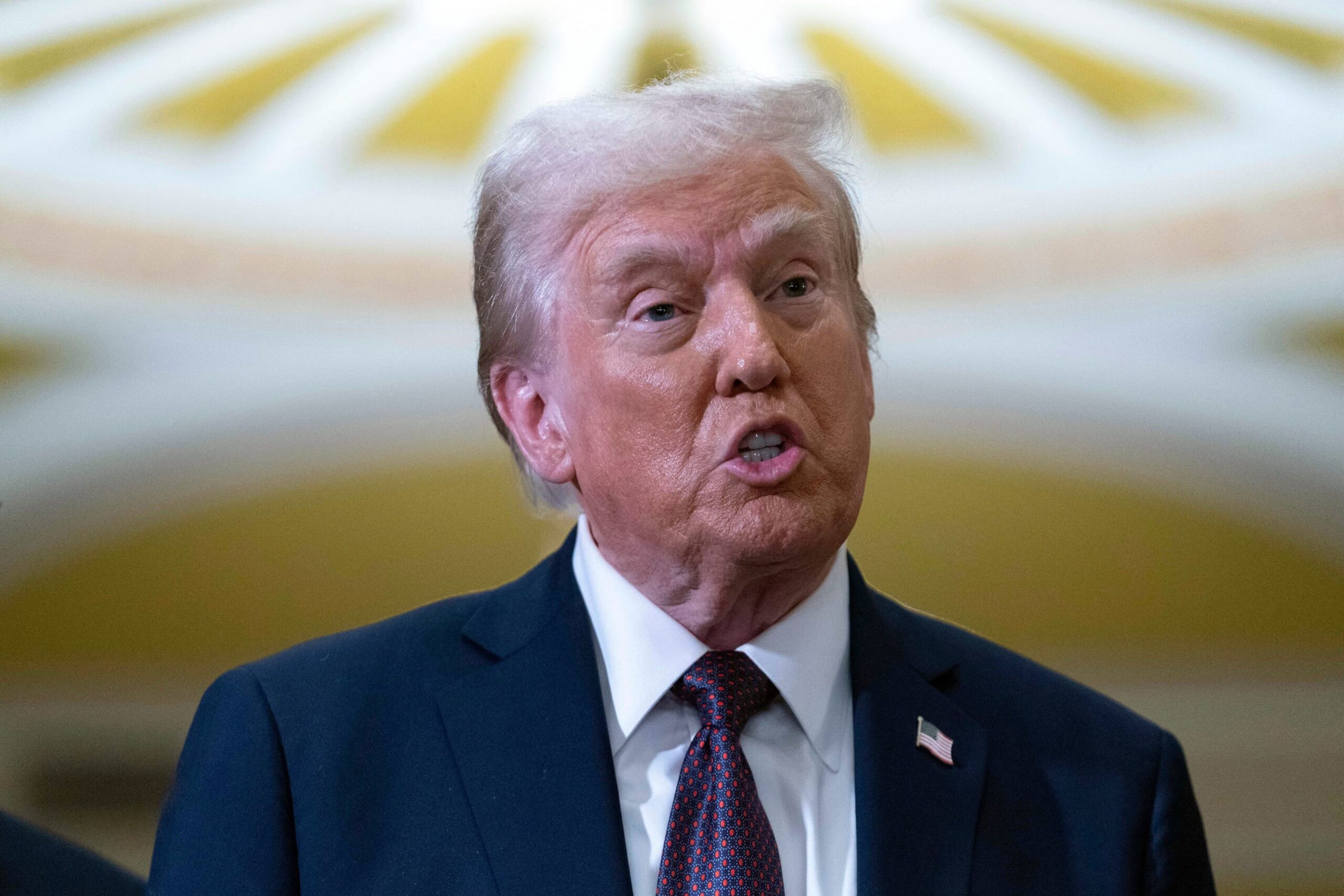
President Donald Trump has called for new federal measures to support the American film and television sector, urging lawmakers from both political parties to work together on tax incentives aimed at keeping production and jobs in the United States.
The proposal comes as the entertainment industry faces increasing competition from countries that offer attractive financial benefits to studios and producers. Over the past several years, a growing number of film and television projects have been produced outside the United States, leading to concerns about job losses and reduced investment in American communities.
Trump said discussions are being organized with leaders from both parties to develop legislation that would help strengthen the domestic entertainment industry. He described the issue as one that should receive bipartisan support because it affects workers, businesses, and local economies across the country.
According to the president, the goal is to create policies that encourage studios and production companies to keep their projects in the United States. He argued that many jobs and large amounts of investment have moved overseas and that action is needed to reverse that trend.
The proposal centers on federal tax incentives that would reduce production costs for companies choosing to film and produce content in America. Supporters believe such incentives could help the nation compete with countries that have successfully attracted major productions through similar programs.
Many industry observers have noted that nations such as Canada, the United Kingdom, and Australia have become popular destinations for film and television production because of government-backed incentives. These programs often lower costs and provide financial advantages that encourage studios to move work abroad.
Trump said helping the entertainment industry is important not only for California but also for many other states that benefit from film and television production. The industry supports a wide range of jobs, including camera operators, editors, technicians, builders, drivers, designers, and many others involved in the production process.
The president also pointed to the influence of actor Jon Voight, who has been involved in discussions about the future of the entertainment business. Voight has spoken with policymakers and industry figures about ways to strengthen domestic production and keep jobs in the United States.
The proposal received support from lawmakers who often disagree with the administration on other issues. Their response highlighted the broad concern about the loss of production work and the need to improve the competitiveness of the American entertainment sector.
California Senator Adam Schiff welcomed the idea of a federal film tax incentive. He said Congress should move quickly to consider legislation that could bring jobs back to the United States and help rebuild parts of the industry that have struggled against foreign competition.
Schiff emphasized that the issue should not be viewed through a political lens. Instead, he said lawmakers should focus on protecting workers and encouraging economic growth through increased domestic production.
Representative Laura Friedman also voiced support for the concept. She said discussions involving lawmakers, unions, producers, studios, and industry advocates have been underway for many months. According to Friedman, a national tax credit could help prevent production jobs from leaving the country.
She argued that American production crews remain among the best in the world and that policy changes could help ensure those workers continue to find opportunities at home rather than overseas.
Industry organizations also praised the proposal. Leaders in the entertainment sector said a federal incentive program could help attract more productions, increase investment, and support local businesses that benefit from filming activity.
Supporters believe stronger domestic production would create jobs, boost spending in local communities, and generate economic benefits that extend beyond the entertainment industry. Restaurants, hotels, transportation companies, and other businesses often benefit when major productions take place in an area.
While details of the proposal have not yet been released, discussions are expected to continue in the coming weeks. Lawmakers and industry leaders will likely examine different approaches to creating a federal incentive program that balances economic growth with government spending.
As talks move forward, the growing support from both political parties and industry representatives suggests that American Film Industry Support could become a major legislative issue. Advocates hope the effort will help restore production activity, protect jobs, and strengthen the long-term future of film and television production in the United States.
