


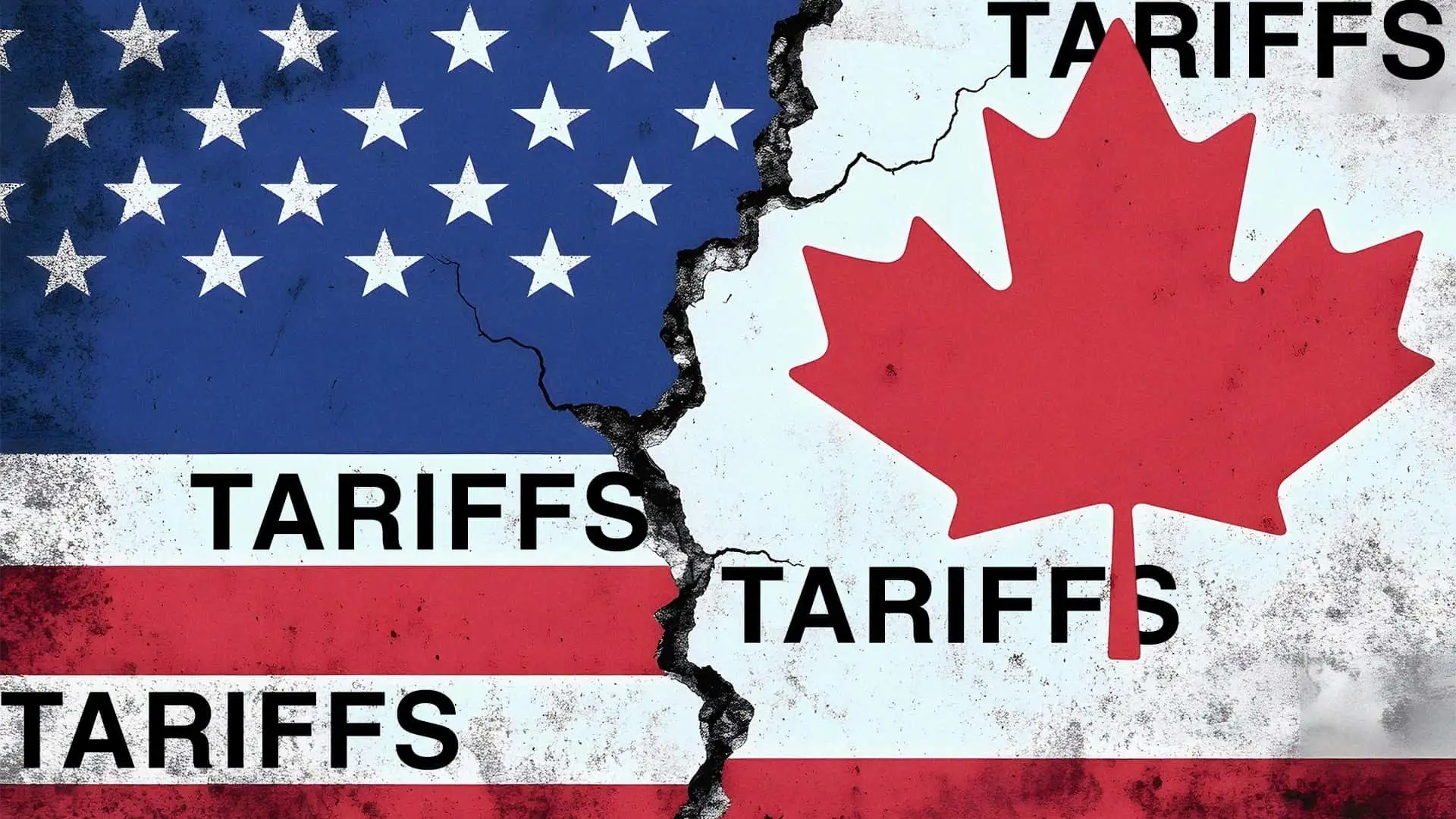
The growing dispute over Canada US Trade Tariffs is creating fresh concerns for businesses, workers, and consumers as both countries expand trade measures against each other. The latest actions mark another chapter in a trade conflict that is affecting key industries across North America.
Canada recently announced new tariffs on a wide range of American products after facing additional tariff threats from the United States. The move adds to an already tense trade relationship and raises questions about the future of economic cooperation between the neighboring countries.
Economists say the impact will likely extend beyond import costs. Industries tied to manufacturing, construction, retail, and exports may face increasing pressure as trade barriers continue to grow.
The automotive sector is expected to be among the hardest hit. North America’s vehicle industry relies on a highly connected supply chain, with parts and finished vehicles crossing borders multiple times during production.
The United States has proposed raising tariffs on Canadian-made vehicles from 25% to 50% beginning in 2027. Industry analysts warn that such a move would significantly increase costs for manufacturers and suppliers.
Many companies have already absorbed a large portion of tariff-related expenses. However, experts say that strategy may become difficult to maintain if tariffs continue to rise. As a result, higher costs could eventually be passed on to consumers through more expensive vehicles.
Analysts also expect manufacturers to place greater focus on premium vehicles, sport utility vehicles, and pickup trucks, where profit margins are higher. This shift could reduce the availability of lower-cost models and increase demand for used vehicles.
Housing and construction could face additional challenges. Canada has introduced tariffs on several American products used in building projects, including plywood, steel, aluminum, and construction hardware.
These materials are essential for residential and commercial development. Builders who depend on imported supplies may experience higher operating costs. If those costs are passed on to buyers, housing prices could face additional upward pressure.
Industry groups on both sides of the border have expressed concern about the effect of tariffs on construction activity. They warn that rising material costs may slow new projects and increase financial strain in housing markets that are already dealing with affordability concerns.
The trade dispute is also affecting household goods. Canada’s latest tariff package includes products such as furniture, refrigerators, washing machines, carpets, and kitchen utensils.
Economists believe many consumers will respond by choosing locally produced alternatives. This could help limit price increases while supporting domestic manufacturers and retailers.
At the same time, some imported goods may become more expensive if businesses decide to pass tariff costs directly to customers. The overall impact on consumer spending will depend on how companies and shoppers adapt to the changing trade environment.
Alcohol has become another symbol of the ongoing trade battle. Several Canadian provinces previously removed American alcohol products from retail shelves in response to earlier tariff measures.
The restrictions contributed to a sharp decline in sales of American wine and spirits in Canada. With trade talks now stalled, industry observers expect some provinces to continue promoting domestic products while limiting access to certain imports.
Beyond individual products, economists say the biggest risk may be to jobs and investment. Businesses that rely on cross-border trade often need stable rules and predictable costs. Tariffs create uncertainty that can delay expansion plans and reduce hiring.
Export-focused companies may be especially vulnerable. Higher trade barriers can reduce demand for products sold abroad, affecting revenues and long-term growth plans.
Canada’s forestry industry is one example. The sector supports thousands of jobs and depends heavily on access to the American market. Industry leaders have urged policymakers to strengthen domestic demand while maintaining strong trade links with key export partners.
The dispute is also raising concerns about the future of North America’s trade framework. Canada and Mexico have expressed support for extending the regional trade agreement that governs trade among the three countries. The United States has indicated it wants major changes before agreeing to any renewal.
Business groups warn that prolonged uncertainty could discourage investment and weaken confidence across the region.
While the direct cost of the latest tariff measures may appear limited for many households, economists note that repeated trade disputes can create broader economic consequences. Slower investment, weaker trade growth, and higher business costs can affect economic performance over time.
As Canada US Trade Tariffs continue to expand, companies across North America are preparing for a period of uncertainty, with the outcome likely to influence trade, employment, and consumer markets for years to come.
