


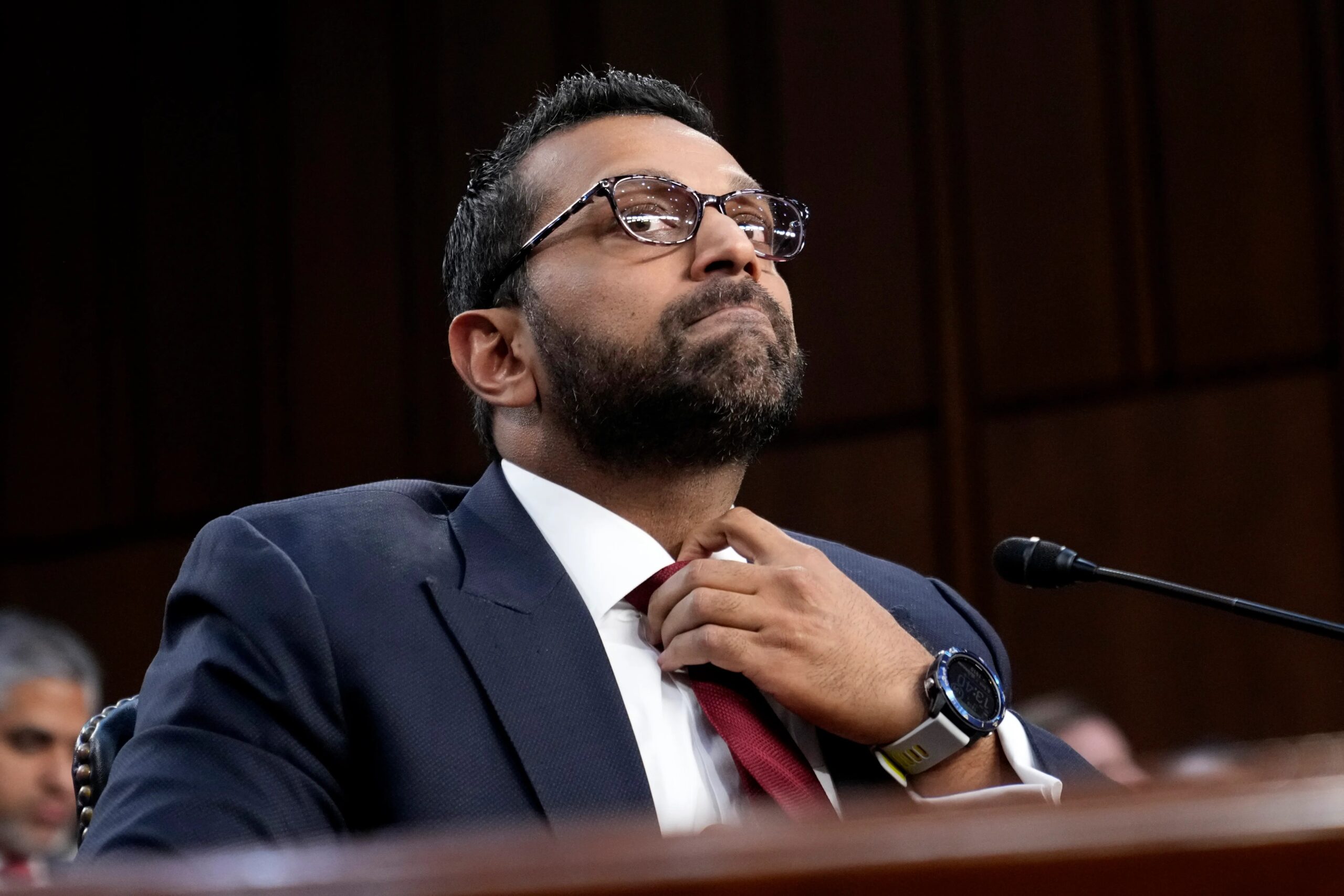
FBI Director Kash Patel faced sharp questioning from lawmakers during a Senate Judiciary Committee hearing as senators examined a recent change to FBI hiring standards involving applicants connected to cases of bestiality.
The issue became a major focus of the hearing after senators sought clarification about a policy that no longer automatically disqualifies all applicants who were involved in such acts. Patel defended the change, saying the new approach was created to protect victims of human trafficking who may have been forced into abusive situations.
According to Patel, the previous FBI policy treated several categories of conduct in the same way. The earlier rules included prostitution, trafficking-related activities and bestiality. Under those standards, anyone connected to such cases could face automatic disqualification from employment consideration.
Patel told lawmakers that bureau officials reviewed cases involving victims of trafficking who had been forced into degrading acts by traffickers. He said those examples convinced him that automatic rejection was not appropriate in every circumstance.
The FBI director stressed that the policy change does not excuse voluntary misconduct. Instead, he said it allows investigators and hiring officials to consider the facts surrounding each case before making a decision.
Republican Sen. John Kennedy of Louisiana repeatedly questioned Patel about the revised standards. Kennedy asked whether people who voluntarily participated in bestiality should ever be eligible for employment at the FBI.
Patel answered that voluntary participation would remain disqualifying. He emphasized that the revised policy applies only to situations involving coercion, force or trafficking.
Kennedy continued pressing Patel on the issue, asking how someone could be forced into such conduct. Patel responded that human trafficking victims are often subjected to severe abuse and degrading treatment by traffickers. He said law enforcement officials have documented cases involving a wide range of forced activities.
The exchange drew attention because of several unusual moments during the hearing. At one point, Kennedy questioned Patel about references in the old policy that disqualified participants on “either side” of bestiality cases.
Patel replied with a lighthearted comment involving FBI working dogs, drawing laughter from some people in the room. Despite the humor, both lawmakers returned quickly to the underlying policy questions.
Democratic Sen. Dick Durbin of Illinois also asked Patel about the hiring change. Durbin sought clarification about whether the bureau believed it had previously excluded otherwise qualified applicants because of the former standards.
Patel responded that the FBI should not automatically block victims of exploitation from pursuing careers in federal law enforcement. He argued that individuals who suffered abuse should have the opportunity to be evaluated based on their full circumstances rather than a single category in a hiring review.
The FBI director said the updated policy does not guarantee employment for any applicant. Instead, it allows candidates to receive a more complete review before a final hiring decision is made.
The hearing covered many other topics related to Patel’s leadership of the bureau. Senators questioned him about staffing changes, management decisions and other issues affecting the FBI.
Democratic lawmakers focused on several controversies that have emerged during Patel’s tenure as director. Republicans generally offered support for his leadership but still pressed him for answers regarding the hiring standards revision.
Supporters of the policy change argue that victims of trafficking should not face permanent barriers because of acts committed under force or coercion. They say hiring officials should have flexibility to review individual circumstances before making decisions.
Critics have raised concerns about how the policy may be interpreted by the public. Some lawmakers suggested that the bureau should provide clearer explanations about what conduct remains disqualifying and how exceptions are evaluated.
Patel repeatedly stated that the FBI continues to maintain strict hiring standards. He said the bureau is not lowering requirements but is instead recognizing the difference between criminal offenders and victims of exploitation.
Throughout the hearing, Patel maintained that anyone who voluntarily engaged in bestiality would still be barred from serving as an FBI agent. He said the revised policy is intended only to ensure that trafficking victims receive fair consideration.
The debate highlighted broader questions about hiring policies, victim protections and employment standards within federal agencies. It also became one of the most closely watched exchanges during the Senate hearing, drawing attention to how government institutions balance accountability with support for victims of abuse.
