


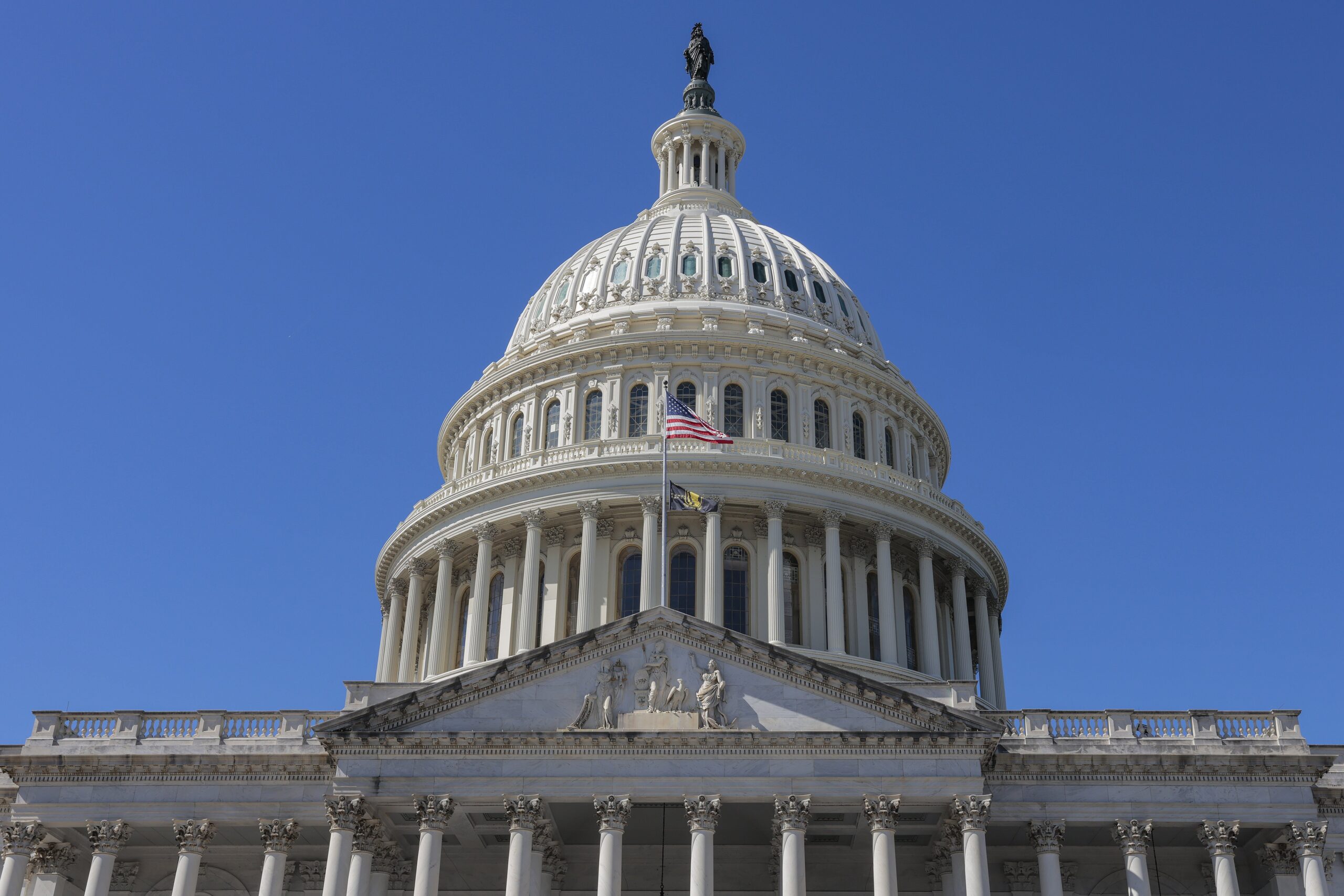
The U.S. House of Representatives has approved a major sanctions package aimed at increasing pressure on Russia and strengthening support for Ukraine. The Ukraine Russia Sanctions bill passed on Wednesday and now heads to President Donald Trump for final approval.
The legislation cleared the House by a vote of 262 to 159. It marks one of the most significant congressional actions on Ukraine since Trump returned to the White House. Supporters say the measure is designed to reduce Russia’s ability to finance its military operations.
The bill is named after the late Senator Lindsey Graham of South Carolina. Lawmakers spent more than a year negotiating the proposal and building support across party lines. The measure already passed the Senate last month with strong bipartisan backing.
Ukrainian President Volodymyr Zelenskyy strongly supported the legislation. Before the Senate vote, he made a direct appeal to lawmakers and urged them to move the measure forward. Ukrainian officials view the package as an important step in maintaining international pressure on Moscow.
The legislation targets key sectors of the Russian economy. It places sanctions on Russian officials, major banks, and a fleet of oil tankers used to transport Russian energy products. Supporters argue that these tankers help Russia continue selling oil despite international restrictions.
Lawmakers backing the bill say cutting energy revenue is one of the most effective ways to increase economic pressure on Russia. Energy exports remain a major source of income for the country.
A central feature of the bill is a new tariff policy. The legislation directs President Trump to impose tariffs of up to 100 percent on the top five importers of Russian oil or natural gas. The goal is to discourage continued purchases of Russian energy.
The measure includes an exception for countries that import less than 15 percent of Russia’s natural gas exports and have taken meaningful steps to reduce those imports. Supporters say the exemption is designed to protect countries that are already lowering their reliance on Russian energy supplies.
Representative Michael McCaul of Texas said nations must decide whether they will continue supporting Russia through energy purchases. Backers of the bill argue that stronger economic pressure could help limit resources available to the Kremlin.
Many supporters point to large energy buyers as key targets of the legislation. They believe reducing demand for Russian oil and gas could weaken Moscow’s financial position and increase diplomatic pressure.
Not all lawmakers agreed with the approach. Several Democrats expressed concern about the tariff provisions. Critics warned that future administrations could use the authority against friendly nations and trading partners.
Representative Gregory Meeks of New York said tariffs have often been used broadly in the past and could create problems with allies. Opponents also argued that new trade barriers may lead to higher costs for consumers.
The debate divided Democrats despite broad support within the party for Ukraine. Some lawmakers viewed the bill as an important statement of solidarity. Others questioned whether the tariff measures could create new economic risks.
Representative Steny Hoyer of Maryland supported the legislation. He said Congress should make its position clear and continue standing with Ukraine during the conflict.
Representative Don Beyer of Virginia opposed the measure. He argued that future use of the tariff powers could create lasting challenges for U.S. alliances and international trade relationships.
House Democratic leader Hakeem Jeffries also voted against the bill. He said support for Ukraine remains strong but argued that the legislation does not provide a clear path toward achieving long-term objectives.
The final vote reflected those divisions. Fifty-eight Democrats joined Republicans in supporting the measure, while 152 Democrats opposed it. Among Republicans, 203 voted in favor and seven voted against the bill.
House Speaker Mike Johnson praised the outcome and said the legislation would help cut financial support flowing to Russia. He also highlighted the tariff provisions as an important tool for increasing pressure on countries that continue purchasing Russian energy.
Congress has struggled in recent years to maintain consensus on Ukraine policy. Debate over military aid and financial assistance has become increasingly difficult as political divisions have grown.
The Senate approved the legislation by an 86-11 vote. With House approval now complete, the Ukraine Russia Sanctions bill moves to President Trump, whose decision will determine whether the measure becomes law and shapes the next phase of U.S. efforts to pressure Russia over the war in Ukraine.
