


A growing number of Republican lawmakers are expressing concern about the ongoing war with Iran, highlighting an expanding divide within the party as the conflict continues and the 2026 midterm elections draw closer.
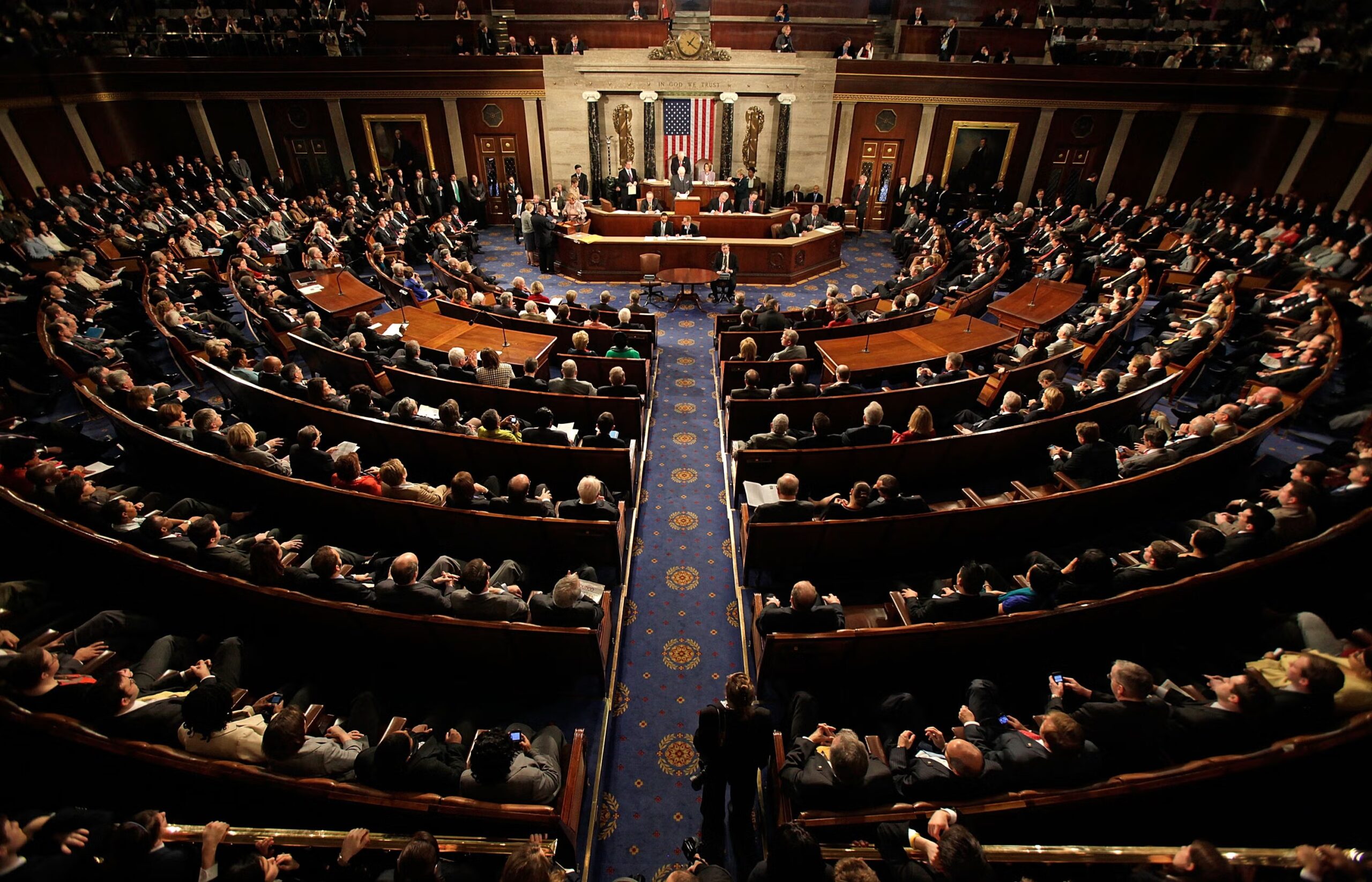
The latest signs of disagreement emerged in the House of Representatives, where lawmakers approved another war powers resolution aimed at limiting U.S. involvement in the conflict. The vote marked a notable shift as several Republicans who had previously supported the administration’s position joined efforts calling for greater congressional oversight.
The development reflects increasing concern among some GOP members about the political and economic consequences of a prolonged military engagement. While party leaders continue to defend the administration’s approach, a small but growing group of Republicans is questioning whether the conflict should continue without additional approval from Congress.
Representative Mariannette Miller-Meeks of Iowa was among the Republicans who changed position and backed the latest resolution. She argued that Americans do not support an endless military commitment and said the mission should remain limited in scope.
Miller-Meeks stated that voters want clear goals and a defined strategy rather than an open-ended conflict. Her comments reflected concerns shared by several lawmakers representing competitive districts ahead of next year’s elections.
Representative Zach Nunn of Iowa also supported the measure. He pointed to the sacrifices made by American service members and said Congress has a responsibility to provide oversight when military operations expand beyond their original objectives.
Drawing on his military background, Nunn said he supports protecting American interests while ensuring constitutional responsibilities are respected. He added that long-term military engagements require direct involvement from lawmakers.
Representative Nancy Mace of South Carolina joined the effort as well, increasing the number of Republicans willing to publicly challenge the administration’s handling of the conflict.
Despite these votes, the practical effect of the resolutions remains limited. President Donald Trump has previously declined to follow a war powers measure that passed both chambers of Congress. As a result, military operations have continued.
The debate intensified further when former Republican Representative Thomas Massie called for the impeachment of Defense Secretary Pete Hegseth. Massie argued that the administration had pursued military action without proper congressional authorization.
Although the proposal faces long odds, it added another layer to the growing discussion over executive authority and the role Congress should play in decisions related to war.
Democrats have repeatedly pushed war powers resolutions throughout the conflict. Their strategy has focused on forcing lawmakers to take public positions on the war while emphasizing concerns about costs, military involvement and constitutional oversight.
The issue has become increasingly important as economic pressures continue to affect many communities. Rising fuel prices and higher transportation costs have drawn attention to the broader impact of the conflict on American households and businesses.
Iowa has emerged as a key example of those concerns. Farmers in the state have faced higher expenses for diesel, fertilizer and other essential supplies. Economic challenges linked to global tensions have increased pressure on elected officials representing agricultural regions.
Political analysts view Iowa as one of the states likely to receive significant attention during the midterm campaign. Several Republican-held seats are expected to be highly competitive, making economic issues especially important.
For vulnerable lawmakers, balancing support for national security with voter concerns about costs has become increasingly difficult. The debate over Iran is now closely tied to broader discussions about inflation, energy prices and government spending.
Republican leaders continue to argue that pressure on Iran remains necessary to protect U.S. interests and maintain stability in the region. Supporters of the administration say military action helps deter threats and strengthen national security.
However, the growing number of Republican lawmakers willing to challenge the current approach suggests that internal disagreements are becoming harder to ignore. Questions about strategy, oversight and long-term goals are increasingly shaping the conversation inside the party.
As the conflict continues, lawmakers from both parties are expected to keep debating the balance between military action and congressional authority. With elections approaching and economic concerns remaining high, the Republican Iran War Divide is likely to remain a major issue in Washington and on the campaign trail throughout the coming year.
