


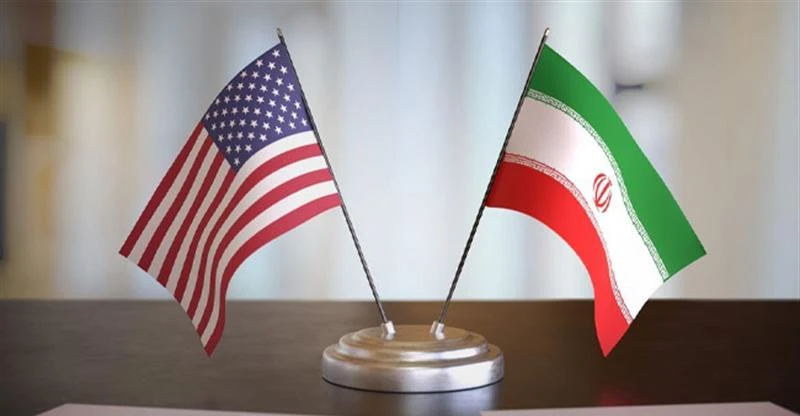
A reported Iran US draft deal is being discussed between Tehran and Washington, with diplomatic progress said to be underway but still awaiting final approval from the United States. The proposed framework aims to end ongoing hostilities and address several major regional security issues, according to reports.
The Iran US draft deal includes provisions to end the conflict, ease restrictions on Iran, reopen key energy trade routes, and reduce military tensions in the region. The agreement is still not final and remains dependent on approval from US officials.
The proposed framework was reported to include the reopening of the Strait of Hormuz, a critical global shipping route that handles a significant share of the world’s oil and gas supply. It also reportedly involves discussions on the withdrawal of United States forces from active conflict zones linked to the Iran situation.
The Strait of Hormuz has become a central focus in global energy security discussions due to its importance for international oil transport. Any disruption to this route has major implications for global markets and energy prices.
According to reports, the Iran US draft deal does not currently include Iran’s nuclear program. Officials say this issue remains highly complex and would require separate, long term negotiations. Nuclear talks could potentially begin later if the initial framework is implemented.
Diplomatic sources suggest that Pakistan’s military leadership had been expected to play a supporting role in communicating elements of the framework during discussions in Tehran before engaging with US officials. However, details of this involvement remain unclear.
US Secretary of State Marco Rubio said there has been some progress in negotiations with Iran. He indicated that further updates could be expected soon as discussions continue between the two sides.
Iranian officials, however, remain cautious. Foreign Minister Abbas Araghchi said that Tehran continues to distrust Washington despite reported progress in talks. He warned that Iran would not agree to terms beyond what has already been outlined in the proposed framework.
Araghchi also responded to pressure from US President Donald Trump, who has previously threatened military action if Iran rejects a negotiated settlement. Iranian officials say they are committed to diplomacy but will not accept additional conditions beyond the current proposal.
The Iran US draft deal is being viewed as an early stage diplomatic effort rather than a final agreement. Officials on both sides have not confirmed any signed document, and negotiations are expected to continue.
The reported framework also touches on broader regional security issues, including tensions involving neighboring countries and allied groups. Diplomatic engagement is still ongoing, and many details remain subject to change.
Analysts say the potential deal reflects ongoing efforts to reduce military escalation in a region that has seen repeated conflict and instability. Energy security, maritime routes, and military presence remain central issues in the talks.
The reopening of key trade routes like the Strait of Hormuz is seen as particularly important for stabilizing global energy flows. Any agreement on this point could have significant economic implications worldwide.
Despite signs of progress, major differences remain between the two sides. Trust issues, nuclear concerns, and regional alliances continue to complicate negotiations.
Officials say further announcements could be made soon, but no final agreement has yet been confirmed. The situation remains fluid as diplomatic discussions continue.
