


Political tensions have intensified in Lebanon after reports of a Washington agreement involving Lebanon, the United States, and Israel prompted strong reactions from political leaders and parties across the country.
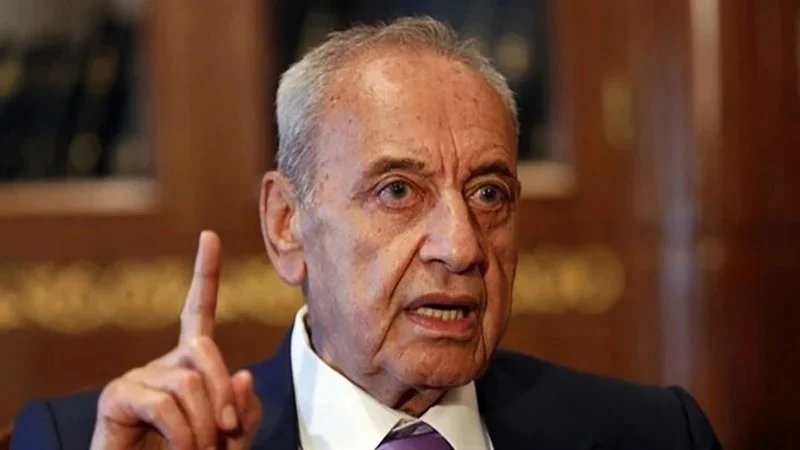
Lebanese Parliament Speaker Nabih Berri warned that the reported agreement could deepen political divisions and threaten national unity. Speaking to the public, Berri described the situation as a serious political challenge and cautioned against developments that could increase internal tensions.
According to public statements cited by several media outlets, the reported agreement includes proposals related to Lebanon’s security, sovereignty, and the future role of armed groups operating in the country. However, the reported provisions have generated sharply different interpretations among Lebanon’s political factions.
Supporters of the reported framework argue that it could help improve security, strengthen state institutions, and create conditions for future economic recovery. They believe greater government control over security matters could contribute to long-term stability if implemented successfully.
Critics, however, argue that the reported terms could weaken Lebanon’s ability to defend its territory while failing to provide sufficient guarantees regarding Israeli military activities in southern Lebanon. They also question whether the proposed measures adequately protect Lebanese sovereignty.
Political parties have responded in different ways.
Hezbollah described the reported agreement as unacceptable and questioned its legitimacy. The Amal Movement also criticized the reported framework, saying it does not serve Lebanon’s national interests.
The Free Patriotic Movement expressed concerns that the reported provisions could allow Israel to maintain a longer military presence in disputed areas of southern Lebanon.
Other political groups and public figures also voiced reservations, arguing that the reported agreement could increase political divisions and create new security challenges.
Meanwhile, the Lebanese Forces, the Kataeb Party, and several independent lawmakers have expressed support for the reported framework. They argue that it offers an opportunity to strengthen state authority and address long-standing security issues.
The differing reactions have highlighted the deep political divisions that continue to shape Lebanon’s domestic landscape.
Analysts note that one of the central points of disagreement involves reported provisions linking future security arrangements and possible Israeli withdrawal from certain areas to changes in Lebanon’s internal security structure. Supporters and opponents disagree over how such measures would affect the country’s sovereignty and long-term stability.
Some political observers argue that these differing interpretations could make implementation difficult without broader national consensus. Others believe continued dialogue between political parties would be necessary before any major security arrangements could move forward.
Berri warned that increasing political polarization could create additional risks if disagreements continue to grow. He urged Lebanese leaders to prioritize national unity while addressing major security and political questions through dialogue.
Lebanon has experienced repeated political crises over the past several years, alongside economic challenges and regional security pressures. These factors have often complicated efforts to build consensus on major national issues.
As discussions continue, there has been no broad political agreement across Lebanon regarding the reported framework. Government officials and political parties continue to present differing views on its potential impact.
The reported Lebanon Washington Agreement remains the subject of political debate, with supporters viewing it as a possible step toward greater stability and critics warning that it could deepen existing divisions. The coming weeks are expected to bring further political discussions as Lebanese leaders continue evaluating the reported framework and its possible implications for the country’s future.
