


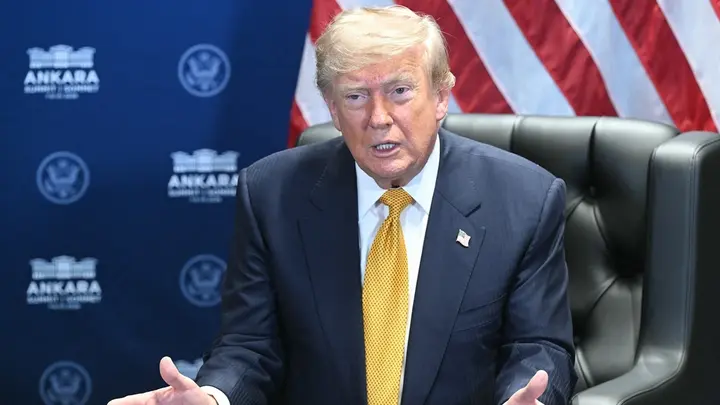
The NATO Ankara Summit has highlighted major changes in transatlantic security as member nations agreed to strengthen defense cooperation while Europe continues efforts to build greater military capabilities. Leaders focused on increasing defense investment, supporting Ukraine, and improving the alliance’s readiness in response to ongoing global security challenges.
The summit brought together leaders from all 32 NATO member countries in Ankara, Türkiye. Discussions centered on burden-sharing, defense production, military readiness, and regional security. Officials also reviewed the alliance’s response to the wars in Ukraine and the Middle East while reaffirming NATO’s commitment to collective defense.
One of the summit’s main outcomes was renewed support for stronger European defense capabilities. Several governments pledged to increase military spending and expand defense production while continuing to work closely with the United States through NATO. European leaders said greater investment would strengthen the alliance and improve long-term security across the continent.
The United States also reaffirmed its commitment to NATO during the meeting. Although questions have been raised in recent years about Washington’s future role in the alliance, summit discussions emphasized continued cooperation between North America and Europe on shared security priorities.
Support for Ukraine remained another major topic. NATO members agreed to continue providing military assistance, training, and financial support as Ukraine defends itself against Russia. Leaders said long-term assistance remains essential for European security and regional stability.
European governments also discussed expanding their defense industries to reduce future dependence on foreign suppliers. Increased investment in weapons production, ammunition manufacturing, and advanced military technology was presented as a long-term priority for strengthening Europe’s security capabilities.
At the same time, leaders acknowledged that the United States remains a key part of NATO’s military structure. American intelligence, logistics, strategic transport, and advanced defense systems continue to play an important role in supporting the alliance’s operations. Officials said closer cooperation will remain necessary even as Europe develops stronger independent capabilities.
The summit also addressed broader regional security concerns, including maritime security, energy infrastructure, and emerging threats. NATO officials discussed improving coordination among member states while strengthening the alliance’s ability to respond quickly to future crises.
Turkey’s role as host received significant attention throughout the meeting. By welcoming alliance leaders to Ankara, Turkish officials highlighted the country’s strategic position between Europe, the Middle East, and Asia. NATO leaders also discussed continued cooperation with regional partners on security and defense issues.
China was not a central focus of the summit’s public discussions. Instead, leaders concentrated on immediate security issues affecting Europe, including defense spending, military readiness, and support for Ukraine. Analysts said the approach reflected NATO’s effort to maintain focus on current regional challenges while managing broader global relationships separately.
Security experts believe the summit reflects a broader shift in NATO’s strategic direction. European members are expected to assume greater responsibility for conventional defense while maintaining close cooperation with the United States. Increased defense investment and industrial cooperation are likely to remain priorities in the coming years.
While some policy debates continue among member states, leaders left Ankara emphasizing alliance unity and shared security goals. NATO officials said future work will focus on implementing defense commitments, expanding military capabilities, and maintaining cooperation among allies as the international security environment continues to evolve.
