


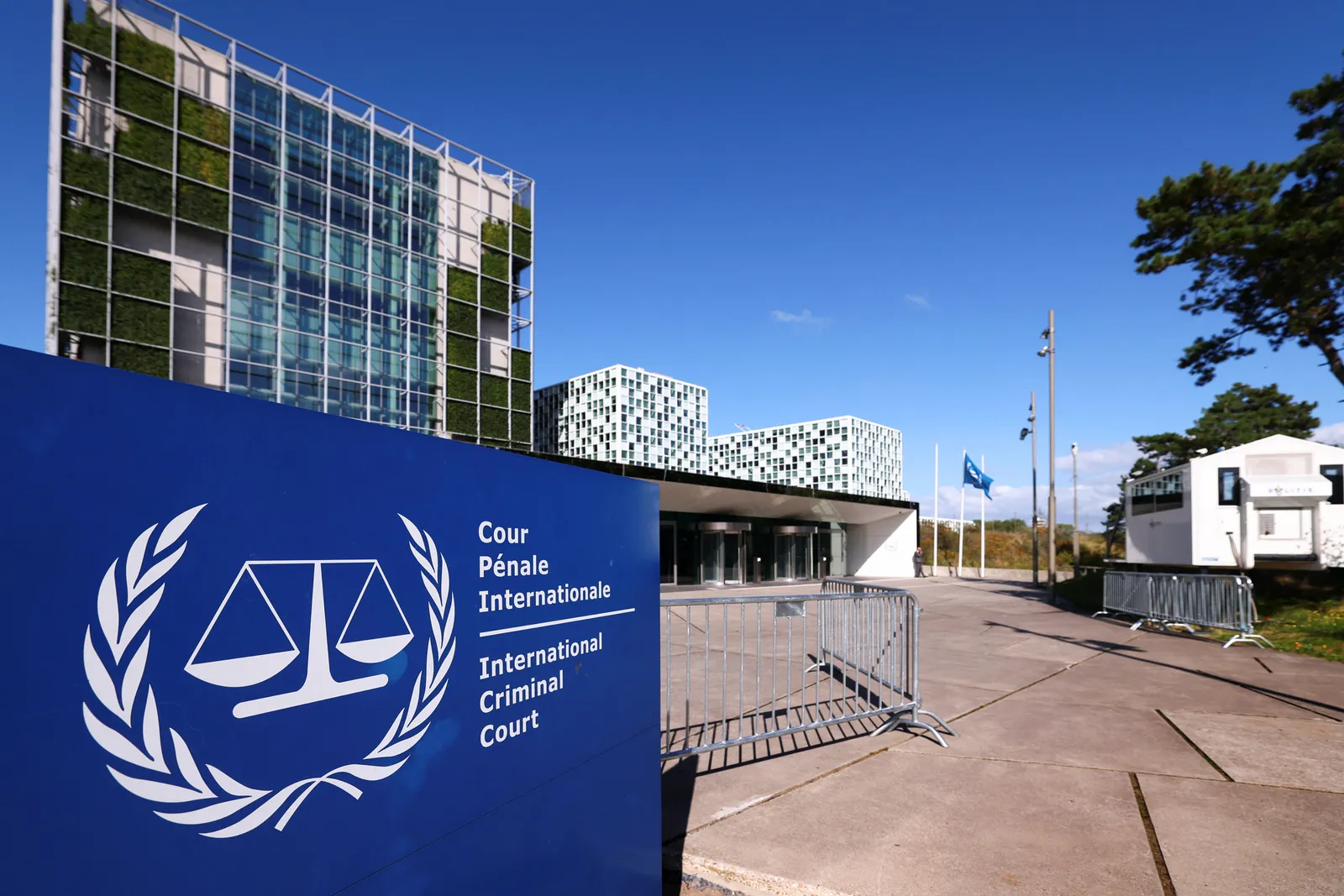
The United States has launched a new diplomatic campaign aimed at challenging the authority of the International Criminal Court (ICC), with Secretary of State Marco Rubio saying the court poses a threat to American sovereignty. The initiative signals a renewed effort by the Trump administration to oppose the court’s ability to investigate or prosecute US citizens and military personnel.
In a video message and a published opinion piece, Rubio said the ICC had moved beyond its original mission of prosecuting the world’s most serious crimes. He argued that the court now represents a broader challenge to US national interests and said the administration would not allow it to threaten American service members, law enforcement officers, or government officials.
The State Department also confirmed that Washington is considering several measures as part of the campaign. Officials said possible actions include expanded sanctions, travel restrictions, visa revocations, and increased diplomatic efforts aimed at reducing international support for the court.
According to a State Department official, the United States is encouraging partner countries to reject what it describes as the ICC’s authority over American personnel. The official said nations that cooperate closely with the United States on defense or law enforcement are being urged to oppose any attempt by the court to prosecute US officials or members of the military.
The official added that countries benefiting from US security partnerships could face greater diplomatic scrutiny if they continue supporting the court’s authority over American citizens. No final decisions have been announced regarding additional sanctions or other measures.
The International Criminal Court was established in 2002 under the Rome Statute to investigate and prosecute genocide, war crimes, crimes against humanity, and the crime of aggression. The court generally acts when national legal systems are unable or unwilling to carry out credible investigations.
Although the United States has never joined the Rome Statute, the ICC can investigate alleged crimes committed within the territory of member states, even if the accused are citizens of countries that are not members of the court.
An ICC spokesperson said the court would not comment on the latest US announcement at this stage.
The Trump administration has maintained its opposition to the ICC for several years. During Trump’s first term, sanctions were imposed on some court officials following investigations involving US military activities overseas. Opposition to the court increased again after the ICC issued an arrest warrant for Israeli Prime Minister Benjamin Netanyahu, a close US ally.
Last month, three ICC judges filed legal action challenging sanctions imposed by the United States. They argue that the measures are unlawful and interfere with the court’s independence.
In his public remarks, Rubio also referred to concerns raised by some activists regarding possible investigations into US immigration enforcement and military operations. He argued that American officials carrying out their duties should not face legal action before an international court.
However, the ICC has not announced any current investigations involving US personnel. The court previously opened an investigation into alleged crimes committed in Afghanistan, including possible actions by US forces. Since 2021, prosecutors have shifted their primary focus toward alleged crimes committed by the Taliban and former Afghan government officials.
The renewed US campaign reflects continuing disagreements over the role of international courts and national sovereignty. Supporters of the ICC argue that the institution provides accountability for serious international crimes when national courts cannot act. Critics, including successive US administrations, have maintained that American citizens should remain subject only to the US legal system.
As Washington expands its diplomatic efforts, governments around the world are expected to monitor the evolving relationship between the United States and the International Criminal Court. Further announcements on sanctions, diplomatic initiatives, or international responses may follow as the campaign develops.
