


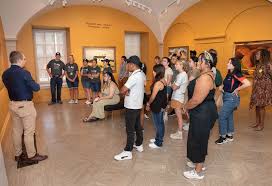
Smithsonian interactive exhibits have been launched across several museums in Washington, DC, in a move aimed at attracting younger audiences and improving public learning. The new installations focus on hands-on experiences, digital tools, and immersive displays. Museum officials say the goal is to make learning more engaging and accessible for all visitors.
The Smithsonian interactive exhibits are part of a wider effort to modernize museum experiences. Instead of only viewing objects behind glass, visitors can now interact with digital screens, touch-based models, and virtual environments. These features allow people to explore history, science, and culture in a more active way.
Many of the new exhibits are designed with students and families in mind. Younger visitors can take part in activities that explain complex topics in simple ways. For example, science exhibits allow users to simulate experiments, while history sections include interactive maps and storytelling tools. This approach helps make learning more engaging and easier to understand.
Museum educators say the Smithsonian interactive exhibits are helping improve educational engagement. Schools in the DC area are already planning more field trips to take advantage of the new experiences. Teachers say the interactive format helps students better remember what they learn compared to traditional displays.
The Smithsonian Institution, which operates several museums in Washington, has been working to update its public programs. Officials say visitor expectations have changed, especially among younger generations who are used to digital technology. As a result, museums are adapting by adding more technology-based learning tools.
The new exhibits also use augmented reality and virtual reality in some locations. Visitors can wear headsets or use mobile devices to explore historical events or scientific concepts in 3D environments. This creates a more immersive experience that brings subjects to life in new ways.
One key goal of the Smithsonian interactive exhibits is to increase museum attendance among younger age groups. Data shows that younger visitors often prefer interactive learning over traditional static displays. By offering more engaging content, museums hope to build long-term interest in culture and education.
The exhibits also support accessibility and inclusion. Many of the interactive tools include audio guides, visual aids, and simplified explanations. This helps ensure that visitors with different learning needs can fully enjoy the experience. Officials say inclusivity is an important part of the new museum strategy.
Museum staff have also received training to support the new systems. They help visitors use digital tools and guide them through interactive experiences. This ensures that the technology enhances, rather than replaces, the educational value of the exhibits.
The Smithsonian interactive exhibits are expected to evolve over time. New content can be updated digitally, allowing museums to refresh displays without major physical changes. This flexibility helps keep the experience current and relevant for repeat visitors.
Tourism officials in Washington say the new exhibits could also boost visitor numbers. Smithsonian museums are already among the most visited in the United States. Adding interactive features is expected to strengthen their appeal to both domestic and international tourists.
Experts say this shift reflects a broader trend in global museums. Many cultural institutions are moving toward interactive and digital learning environments. This helps attract younger audiences who are more familiar with technology-based education.
The Smithsonian Institution plans to expand these interactive features across more museums in the future. Additional updates may include more AI-based learning tools and personalized visitor experiences.
Overall, the Smithsonian interactive exhibits mark a major step in modern museum education. By combining technology, culture, and hands-on learning, the new approach aims to make museums more engaging for the next generation of visitors in Washington, DC and beyond.
