


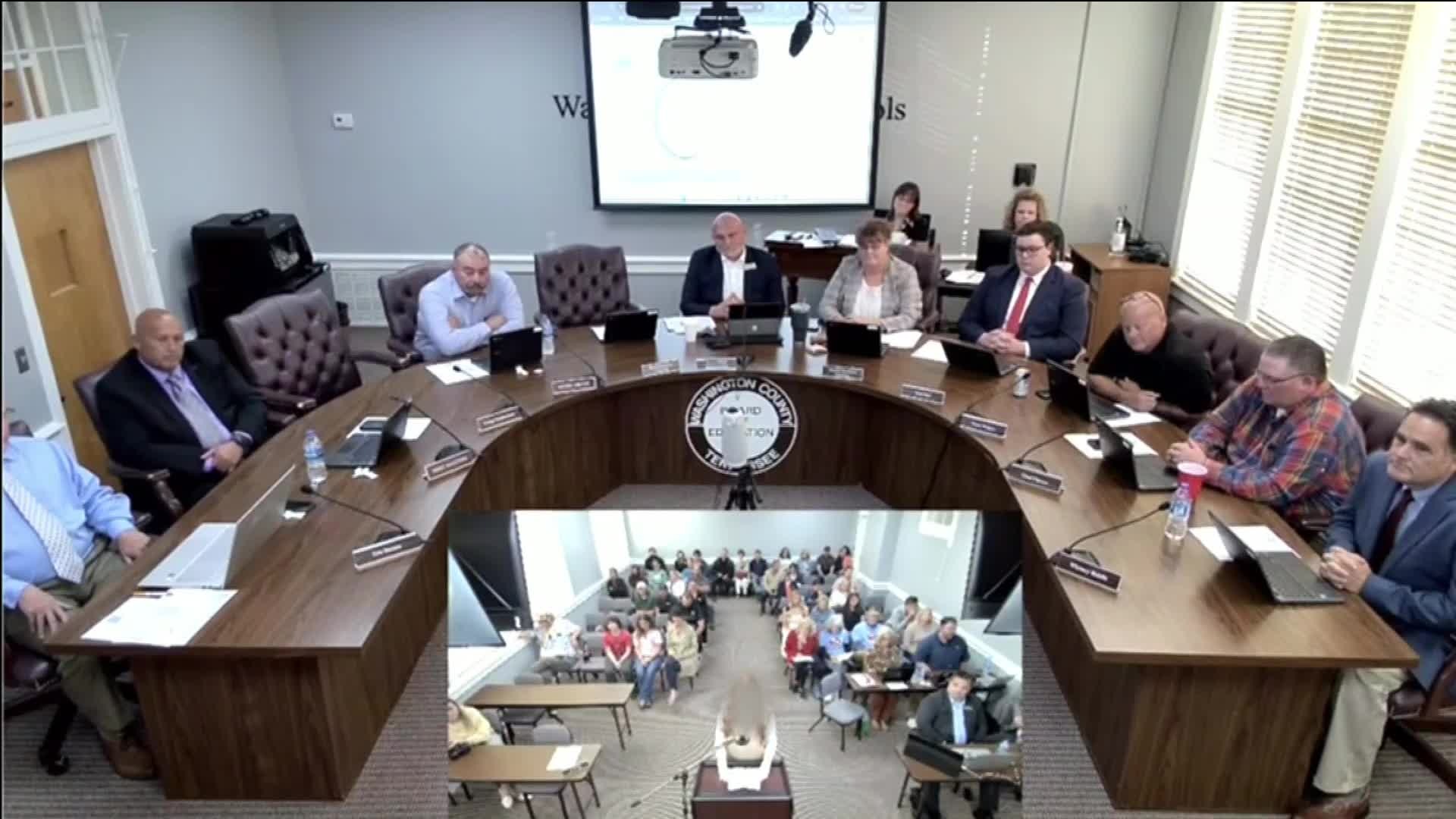
A student in Washington County has publicly spoken out against school board member Keith Ervin after he referred to her as “hot” during a previous meeting, sparking controversy and a formal censure.
The student addressed the board during a recent public session, saying Ervin’s remarks were inappropriate, sexist, and deeply disrespectful. She said the comment made during an April 2 meeting caused her significant discomfort and emotional distress.
The incident occurred after the student completed a presentation before the school board. Following her remarks, Ervin made the comment that later became the center of the controversy.
At a special session held a week later, the Washington County School Board unanimously voted to censure Ervin for his comments. The decision reflected growing concern among board members and the community about the professionalism of elected officials in public education settings.
During the censure meeting on April 8, Ervin defended himself, claiming his statement was misunderstood. He said he intended the word “hot” to mean that the student was “on a roll” during her presentation, not to refer to her appearance.
However, the student rejected that explanation during her latest appearance before the board. She said she would not accept apologies for the incident and insisted that the impact of the comment should not be minimized.
She told board members that any discomfort they experienced during the public backlash was far less than what she felt when the comment was made during the meeting.
The student also criticized the board for what she described as a lack of accountability. She said officials needed to take greater responsibility for maintaining respectful conduct in public meetings.
Her remarks drew attention from attendees and highlighted ongoing tensions between the board and members of the public following the incident.
Washington County School Board has faced increased scrutiny since the controversy began, particularly over how public officials should communicate with students during formal meetings.
Board leadership has not issued additional public comments in response to the student’s latest statement. Chairperson Annette Buchanan reportedly asked that questions be submitted in writing and later said she had not yet had time to respond.
The case has drawn wider attention due to concerns about appropriate behavior in educational settings and the responsibilities of elected officials when interacting with students.
Education experts often emphasize that school board meetings should maintain a professional environment, especially when students are directly involved in presentations or public discussions.
In this case, the controversy escalated quickly after the April 2 meeting, leading to formal disciplinary action against Ervin and public debate over intent versus impact in language used during official proceedings.
Supporters of the student have argued that public officials must be held to higher standards when addressing students in formal settings, while others have pointed to Ervin’s explanation that he did not intend any disrespect.
The situation remains unresolved publicly, as Ervin has not issued a further response following the student’s latest remarks.
The incident continues to generate discussion in the local community about respect, accountability, and the role of elected officials in schools.
