


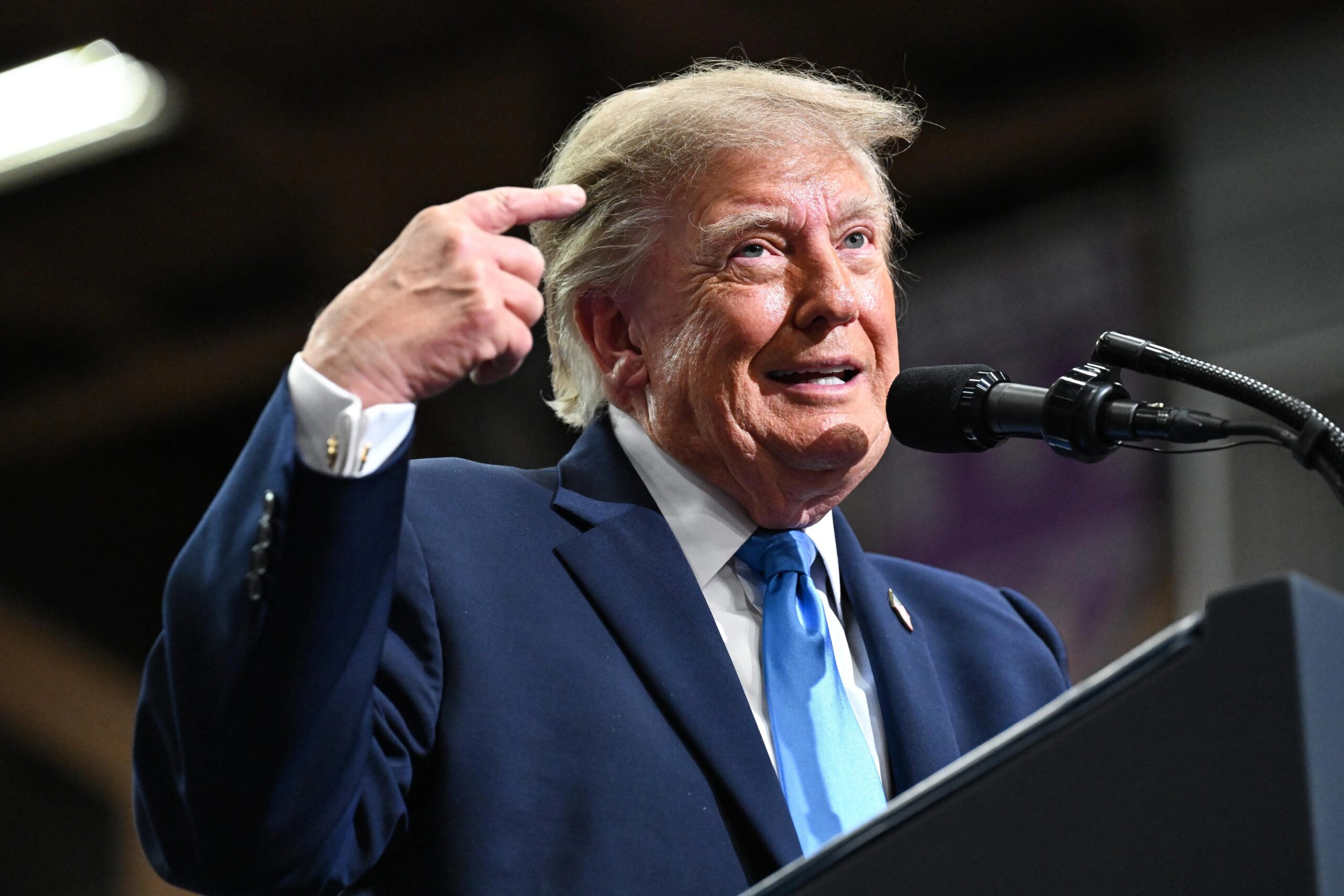
Donald Trump returned to the White House in 2024 with a promise to make life more affordable. Yet many Americans are still facing rising costs. Public anger is growing, and the president’s falling approval ratings could create serious problems for Republicans in the 2026 midterm elections.
Voters are blaming Trump for the price rises they have faced since he began his second term. Presidents do not control every part of the economy. Still, some decisions made by this administration have helped push costs higher.
The war with Iran has raised energy prices. Trump’s tariffs have also increased costs for some imported goods. These pressures have made it harder for households to pay for basic needs.
The economy is also becoming more divided. Wealthy Americans have benefited from gains in the stock market, including shares in companies linked to artificial intelligence. But many working families have seen little relief from high prices.
Wages have struggled to keep pace with living costs. The job market has offered limited comfort to many workers. At the same time, higher interest rates have made loans more expensive. Buying a house or a car has become harder for people who need to borrow money.
A recent NPR, PBS News and Marist poll showed how many Americans feel about their finances. Some 44% said their financial position had mostly stayed the same. Another 38% said it had worsened. Only 15% said their finances had improved.
Economic concerns are not the only issue facing the president. His strict immigration policies have drawn strong criticism. Cuts to Medicaid and other health care programs have also raised concern. Efforts to reduce government rules and the federal workforce have added to public anger.
These issues could turn away voters who often decide elections. They may also encourage Democrats to vote in larger numbers.
History suggests that the party holding the White House faces a tough test in midterm elections. Since World War II, the president’s party has gained seats in the House only twice during a midterm vote.
On average, the president’s party loses 26 House seats in these elections. The losses tend to be larger when the president’s approval rating is below 50%. In such cases, the party has lost an average of 35 seats. When approval is above 50%, the average loss is about 15 seats.
Trump’s low approval ratings put Republicans in a weak position. Democrats have also gained ground in recent elections. They performed better than expected in special elections during Trump’s second term. They also had strong results in the 2025 elections held between the main election cycles.
The war with Iran and the rise in fuel prices have made the political climate even harder for Republicans. Current trends suggest Democrats have a good chance of taking control of the House. They are also within reach of winning the Senate, despite facing a difficult path earlier in the cycle.
Still, a Democratic victory is not certain, and the size of any gains remains unclear.
There are fewer competitive House districts than there were in 2018, when Democrats won more than 40 seats. Ratings from the Cook Political Report show about 30 fewer districts rated as close races this year.
Redistricting may also help Republicans hold on to seats. Trump urged Republican-led states to redraw their maps to improve the party’s chances. An NPR analysis estimated that the changes gave Republicans an advantage of about eight seats.
The final effect may depend on how voters respond in key areas. South Texas, in particular, could matter if Latino voters choose candidates in ways that differ from past elections.
Democrats also face problems of their own. The party has struggled to win public trust and keep some of its supporters satisfied. Voters who oppose Trump may back Democrats, but that does not mean they agree with the party on every issue.
The latest NPR poll found that 44% of respondents viewed their vote as a way to oppose Trump. Only 21% said they were voting in support of him. The survey also showed strong opposition to the president among people who identify as democratic socialists.
Their turnout could help Democrats gain seats. However, disagreements over policy and leadership may create new tensions within the party as the next presidential primaries approach.
For Republicans, the central challenge is clear. Voters wanted lower prices, but many still face high costs for fuel, food, housing and other needs. Whether that anger leads to a major election setback will become clear when Americans cast their ballots in the 2026 midterms.
