


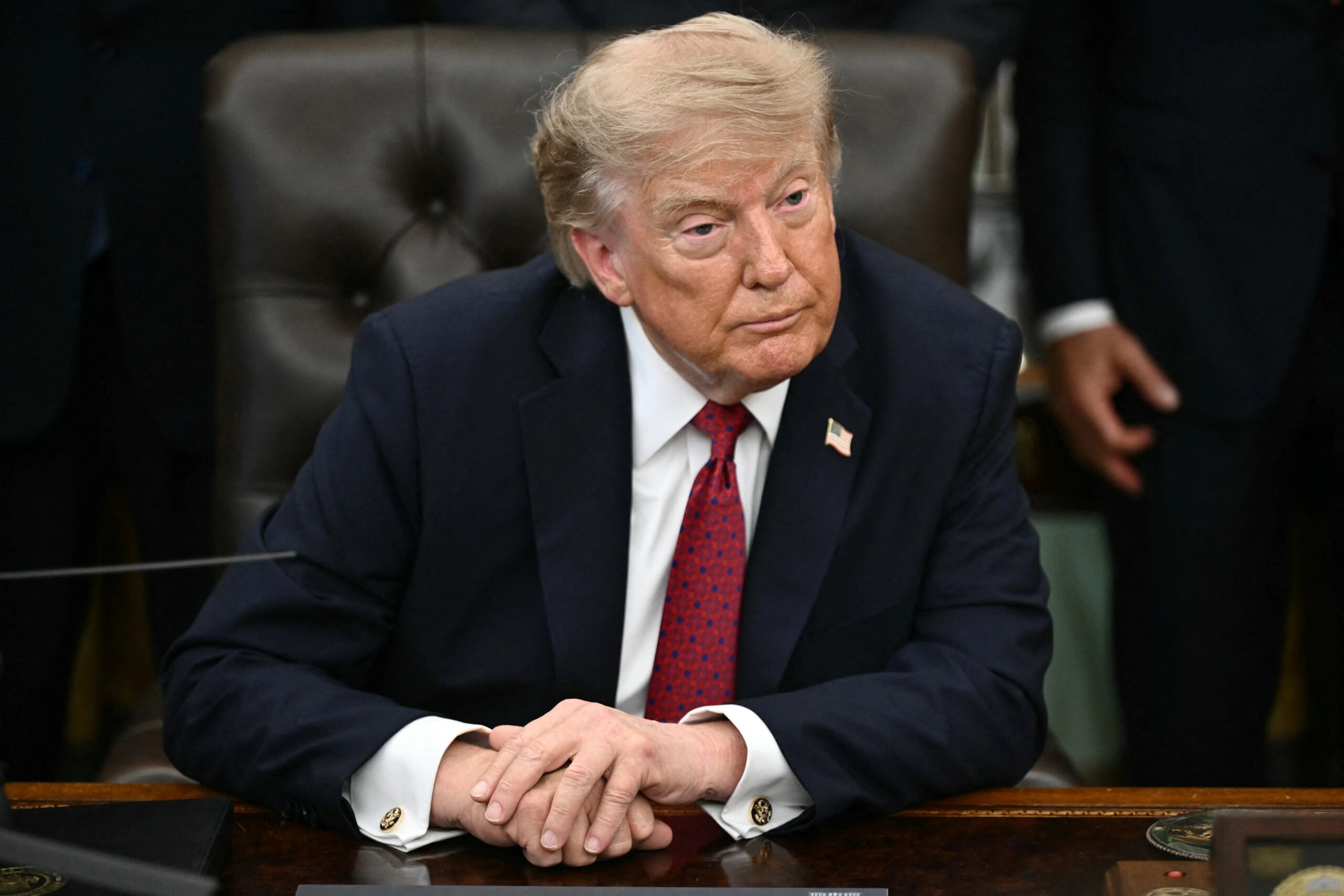
President Donald Trump has vowed to campaign aggressively for Republican candidates in the final weeks before the midterm elections, telling lawmakers that the party has a powerful record to present to voters and a strong chance of keeping control of Congress.
The president delivered the message during a White House event attended by Republican lawmakers facing competitive races across the country. Trump encouraged candidates to focus on the accomplishments of his administration and argued that those achievements would resonate with voters as Election Day approaches.
According to Trump, a small group of closely watched contests will decide which party controls the House and Senate after the election. He estimated that roughly 35 races could determine the outcome and pledged to personally campaign in each major battleground during the final month of the race.
The promise signals a major commitment from the president, who remains one of the most influential figures in the Republican Party. Trump said he plans to spend significant time traveling across the country to support candidates in districts and states where the outcome remains uncertain.
He told lawmakers that Republicans already have the message needed to win. The president pointed to economic initiatives, lower prescription drug costs, and tougher border policies as examples of accomplishments that should be highlighted during campaigns.
Trump argued that candidates do not need a complicated strategy. Instead, he said they should focus on communicating the administration’s record and explaining how its policies have affected everyday Americans.
The remarks came as Republicans face growing pressure from voter concerns about economic conditions and international events. Many Americans continue to worry about the cost of living, job security, and global instability. These issues are expected to play a major role in shaping voter decisions in November.
Despite those challenges, Trump expressed confidence that Republicans can outperform expectations. He said voters will ultimately support candidates who can point to measurable results and clear policy achievements.
The president also discussed several high-profile Senate races expected to attract national attention. Among them was the Alaska contest, where Republican Senator Dan Sullivan is seeking reelection against former Democratic Representative Mary Peltola.
Trump also highlighted the Texas Senate race involving Republican Attorney General Ken Paxton and Democratic state Representative James Talarico. The contest is viewed as one of the most closely watched races of the election cycle.
While discussing Paxton, Trump offered both praise and humor. He acknowledged that some voters may not always appreciate the candidate’s public style but said his record in office should matter more than appearances. The comments drew laughter from the audience and reflected the president’s informal speaking approach.
Throughout his speech, Trump repeatedly stressed the importance of unity within the Republican Party. He encouraged lawmakers to remain focused on issues that directly affect voters and avoid distractions during the final weeks of the campaign.
The president also addressed the historical challenge facing parties that control the White House during midterm elections. In many past elections, voters have reduced the governing party’s congressional majority or handed control of Congress to the opposition.
Trump said that trend is not unavoidable. He argued that Republicans have an opportunity to break with history if they effectively communicate their achievements and maintain strong voter engagement.
Party leaders are preparing for a major gathering in Dallas next week, where campaign strategy and voter outreach efforts will be discussed. The event is expected to serve as a key moment for Republicans as they enter the final stage of the election season.
Democrats, meanwhile, are investing heavily in many of the same battleground races. With narrow margins separating the parties in several contests, both sides recognize that even a small shift in voter turnout could determine the balance of power in Washington.
Trump’s decision to place himself at the center of the campaign reflects the importance Republicans attach to the upcoming election. By personally visiting competitive districts and states, he hopes to energize supporters and boost turnout among key voting groups.
As the race enters its final weeks, the president is betting that a combination of campaign appearances, party unity, and a focus on policy achievements will help Republicans secure victories in the contests that matter most. The outcome of those races will ultimately decide which party controls Congress and shapes the nation’s political agenda in the years ahead.
