


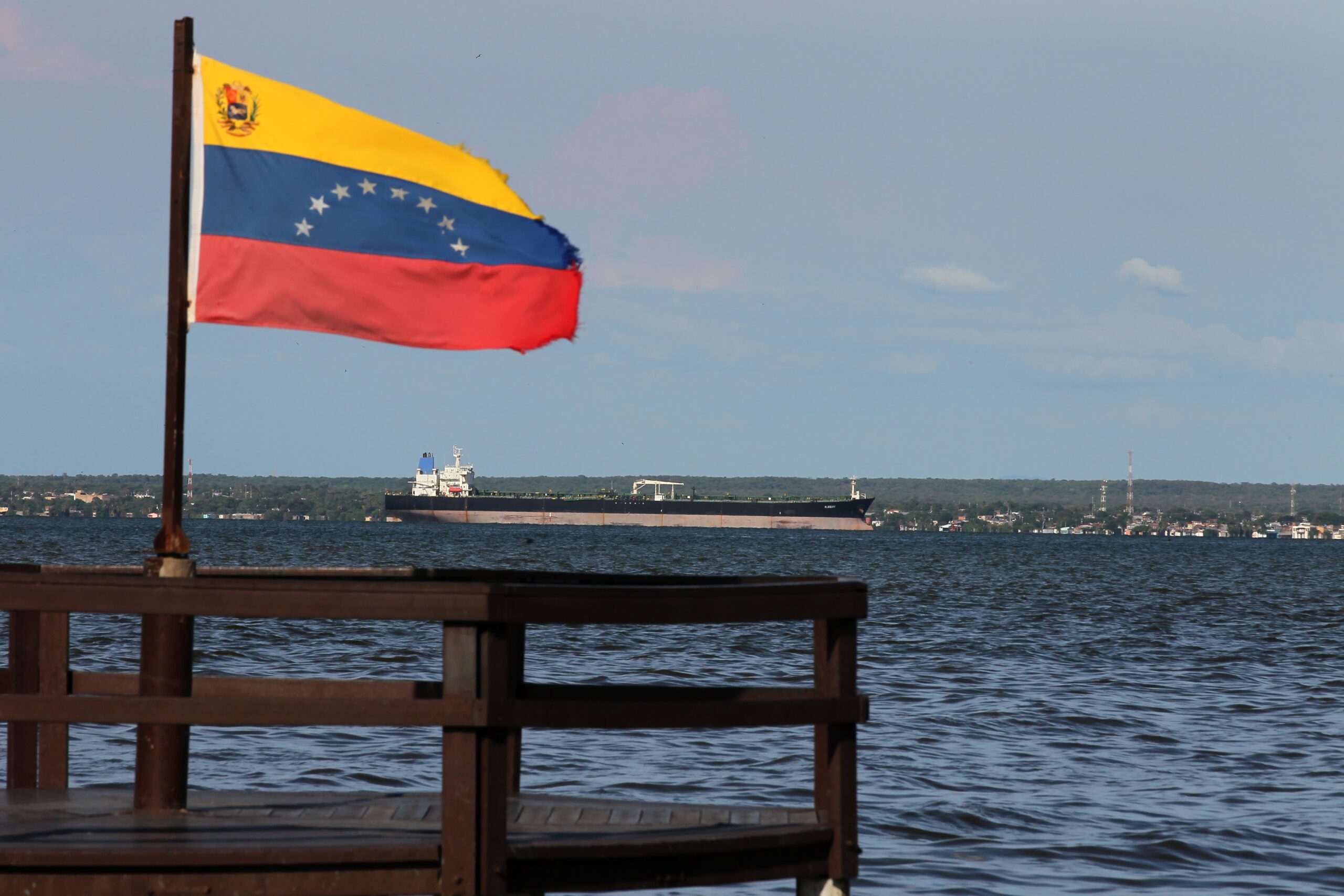
A major energy agreement between Venezuela and a U.S.-backed oil company is drawing global attention after new details revealed long-term access to some of the world’s largest oil reserves. The Venezuela Oil Concessions Deal gives North American Blue Energy Partners, known as NABEP, 100-year concessions for 17 oil fields with proven reserves estimated at about 65 billion barrels.
The White House announced the details on Monday, describing the agreement as a significant step in strengthening future energy security and expanding access to major oil resources. The deal follows an earlier announcement by President Donald Trump, who said the agreement would provide the United States with majority control over oil assets linked to approximately 65 billion barrels of reserves.
The reserves covered by the agreement represent a substantial share of Venezuela’s vast oil wealth. Venezuela holds some of the largest known oil reserves in the world, making the country an important player in the global energy market despite years of economic and production challenges.
According to information released by the White House, NABEP is currently the second-largest private oil producer operating in Venezuela. The company has also provided a 35 percent equity stake in its parent organization to the Office of Strategic Capital within the U.S. Department of War.
Officials said the ownership stake could generate significant long-term value for the United States through dividends and future returns. The administration described the arrangement as potentially worth hundreds of billions of dollars over time.
The agreement includes several provisions designed to strengthen U.S. access to future oil production. Under the deal, the United States will have the right to purchase 20 percent of production from all current and future oil fields operated by NABEP at production cost.
Officials said this provision could support efforts to refill and maintain the nation’s strategic petroleum reserves. The strategic reserve is considered a key part of U.S. energy security planning and is used to help manage supply disruptions and emergency situations.
The agreement also gives the United States the right of first refusal on the remaining 80 percent of production. This means the U.S. government would have priority if it chooses to purchase additional oil produced by NABEP-operated fields.
Supporters of the deal view it as a long-term energy partnership that could provide reliable access to large oil supplies. They argue that securing access to major reserves can help strengthen future energy planning and reduce supply risks during periods of market instability.
At the same time, energy analysts remain cautious about the immediate impact of the agreement. Experts note that Venezuela’s oil industry faces major challenges that could limit production growth in the short term.
For years, the country’s oil sector has struggled with aging infrastructure, limited investment, operational difficulties, and international restrictions. As a result, current production levels remain far below the nation’s historical capacity.
Analysts say developing the newly granted oil fields will require substantial financial investment and years of construction and modernization work. Large-scale extraction projects often involve extensive infrastructure, including pipelines, production facilities, transportation systems, and export terminals.
The White House said NABEP plans to invest up to $100 billion in new oil infrastructure across Venezuela. The investment is expected to focus on increasing production capacity and improving the systems needed to bring oil to market.
The agreement could also generate significant revenue for Venezuela. According to administration estimates, NABEP is expected to pay approximately $200 billion in taxes and royalties to Venezuelan governments during the first 25 years of the arrangement.
Supporters argue that the investment could create economic activity and help rebuild parts of the country’s energy sector. However, experts note that long-term success will depend on political stability, regulatory certainty, and sustained investment over many years.
While the Venezuela Oil Concessions Deal represents one of the largest energy agreements announced in recent years, its full impact may take time to become clear. Industry observers will closely watch how quickly production expands and whether the project delivers the expected benefits for both Venezuela and the United States.
For now, the agreement marks a major development in international energy cooperation and highlights the continuing importance of oil resources in global economic and strategic planning.
