


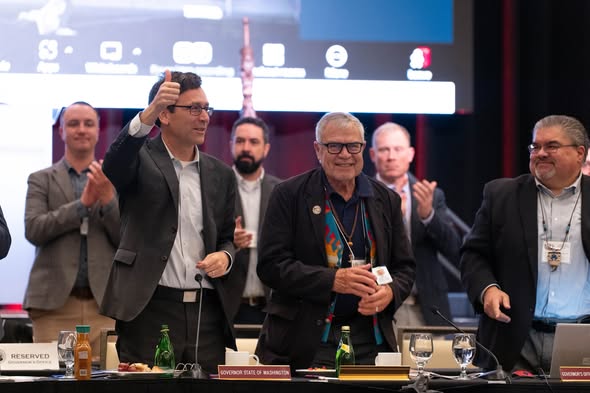
Tribal leaders and environmental groups in Washington state are continuing negotiations focused on land and water conservation, with special attention on protecting coastal areas and river ecosystems. The discussions aim to balance environmental protection with long-term land and resource use.
The talks bring together Indigenous communities, environmental organizations, and regional authorities. The main goal is to strengthen protection of natural habitats while ensuring sustainable access to water and land resources.
Key areas of focus include river restoration, coastal ecosystem protection, and wildlife habitat conservation. These ecosystems are considered vital for both environmental balance and local community livelihoods.
Tribal representatives emphasize the importance of protecting lands that hold cultural, historical, and ecological significance. Many of these areas have been part of Indigenous stewardship for generations.
Environmental groups involved in the discussions say the region’s ecosystems are under increasing pressure from climate change, development, and water management challenges. Rising temperatures and shifting rainfall patterns have affected river flows and coastal health.
One of the central issues in the negotiations is water management. Rivers in Washington play a crucial role in agriculture, fisheries, and drinking water supply, making their protection a priority for all stakeholders.
Coastal ecosystems are also a major concern. These areas support marine life, protect shorelines from erosion, and provide important habitats for fish and wildlife.
Both tribal and environmental groups are calling for stronger conservation measures that include long-term planning and increased monitoring of ecosystem health.
Officials say the discussions are ongoing and complex, as they involve multiple stakeholders with different priorities. However, there is shared recognition of the need to protect natural resources for future generations.
Experts say collaboration between Indigenous communities and environmental organizations can lead to more effective conservation outcomes. Tribal knowledge and traditional land management practices are often seen as valuable tools in environmental protection.
The negotiations also reflect broader national and global efforts to address climate change and biodiversity loss. Many regions are now focusing on restoring ecosystems and improving water resilience.
Environmental analysts note that Washington state’s landscapes, including forests, rivers, and coastal zones, are especially sensitive to environmental stress. This makes coordinated conservation efforts increasingly important.
While no final agreement has been announced, participants say progress is being made through continued dialogue and cooperation.
Future discussions are expected to focus on specific conservation projects, funding strategies, and long-term management plans for protected areas.
As negotiations continue, both tribal leaders and environmental groups remain committed to finding solutions that protect ecosystems while supporting the needs of local communities.
