


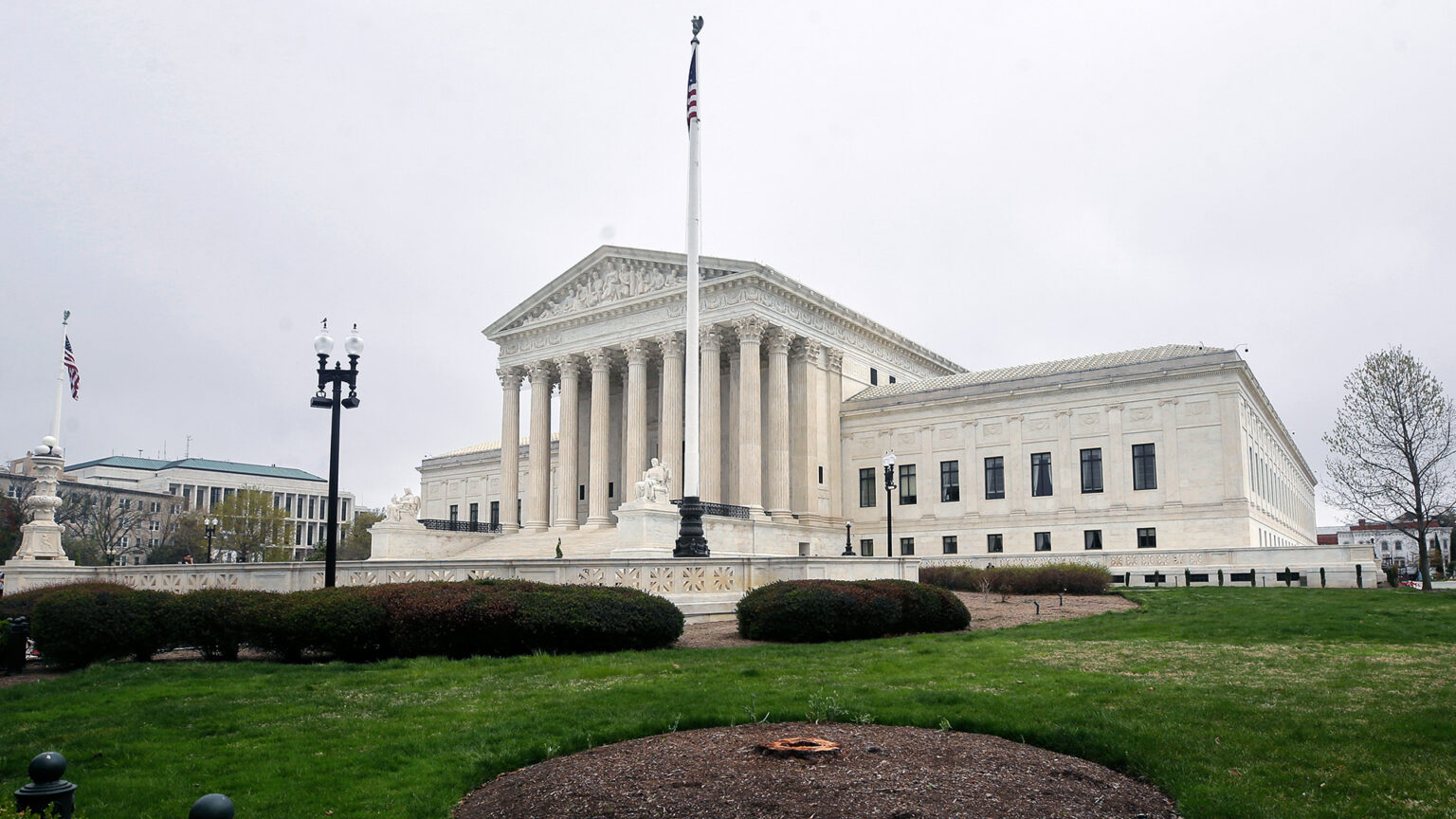
The Washington Supreme Court Election is set to bring major change this fall, with an unusual number of seats open at the same time. Voters will decide five of the nine positions on the state’s highest court, marking a rare moment in the state’s judicial history.
Debra Stephens, the current chief justice, highlighted the scale of the shift. She said it is unprecedented to have so many seats on the ballot in one election cycle. This level of turnover could reshape the court’s direction in the coming years.
Unlike many political races, candidates in the Washington Supreme Court Election do not run under party labels. This can make it harder for voters who rely on party lines when making decisions. As a result, Stephens urged voters to take a closer look at each candidate’s background.
She said a strong judge should be curious and committed to the rule of law. Respect for legal precedent is also key. Stephens encouraged voters to review candidates’ past rulings, legal work, and experience before casting their ballots.
The Washington Supreme Court Election comes at a time when courts across the country face growing public attention. Many legal decisions now draw strong political reactions. This trend has raised concerns about how the public views the role of the judiciary.
Stephens acknowledged that courts are not fully separate from political influence, at least in public perception. She said that while the judicial system aims to remain independent, its work is increasingly seen through a political lens.
She stressed that courts must rise above partisanship. Judges are expected to apply the law fairly, without bias or political pressure. Maintaining this balance is essential for public trust in the legal system.
The upcoming election highlights the importance of voter awareness. With no party labels to guide choices, voters must rely on research and careful judgment. This includes understanding each candidate’s legal philosophy and approach to decision-making.
The Washington Supreme Court Election also reflects a broader national trend. Courts are becoming more visible in public debate, especially on major issues. This visibility can lead to increased scrutiny but also greater misunderstanding.
Stephens said she does not believe partisanship is entering the judiciary itself. However, she noted that the public perception of court decisions is becoming more political. This shift could affect how people view the fairness and neutrality of the system.
The large number of open seats makes this election especially important. The outcome could influence key rulings on state laws and policies in the future. It may also shape how the court handles major legal questions.
As election day approaches, voters are being encouraged to stay informed. Understanding the role of the court and the responsibilities of its justices is crucial. This knowledge can help ensure that the Washington Supreme Court Election reflects informed choices.
The coming vote represents both a challenge and an opportunity. It allows voters to shape the future of the state’s highest court while reinforcing the importance of an independent judiciary.
