


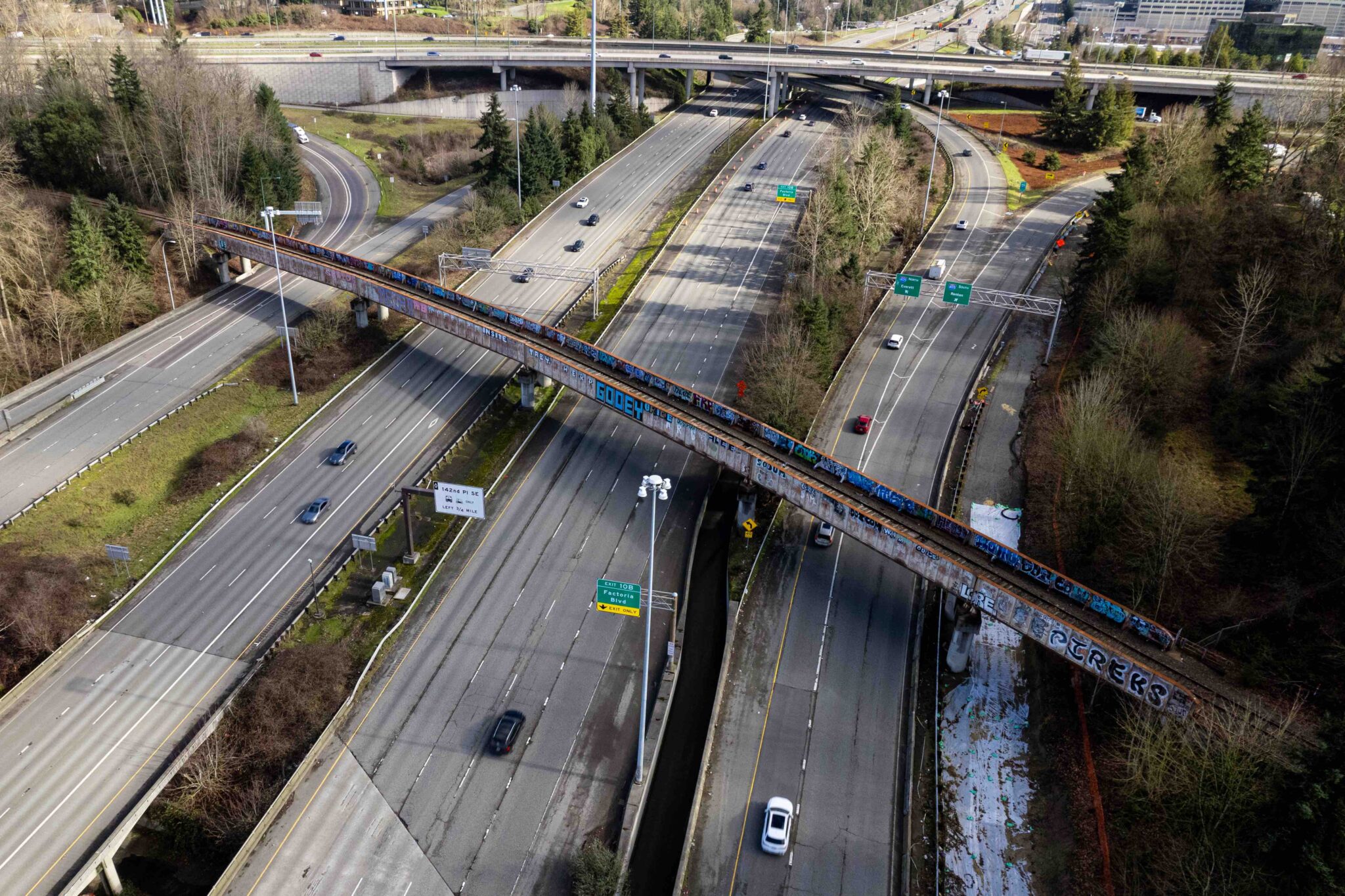
Washington Infrastructure Projects are continuing across the region as authorities push forward with long-term modernization plans. The focus is on improving roads, transport systems, and public facilities to support growing demand and improve daily efficiency.
Officials say the goal of these Washington Infrastructure Projects is to build a more reliable and connected system. Upgrades are designed to reduce travel delays, improve safety, and support economic activity across the region.
Road networks are a major part of the ongoing work. Construction teams are repairing damaged routes, expanding key highways, and improving traffic flow in busy areas. These changes aim to reduce congestion and make travel smoother for commuters.
Public transport systems are also receiving attention. Investments are being made to upgrade buses, trains, and station facilities. The improvements are expected to make public travel more comfortable and efficient for passengers.
Urban development projects are part of the wider plan. Cities are focusing on improving public spaces, utilities, and essential services. These upgrades help create safer and more functional environments for residents.
Washington Infrastructure Projects also include modernization of public buildings and facilities. Schools, hospitals, and government offices are being updated to meet current needs. These improvements aim to provide better services to the public.
Officials say that infrastructure development is essential for long-term regional growth. Strong transport and utility systems help support business activity, job creation, and population growth.
Experts note that modern infrastructure also improves economic competitiveness. Efficient transport networks make it easier for goods and services to move quickly across regions. This supports both local businesses and larger industries.
Environmental considerations are also part of the planning process. New projects are designed to reduce emissions, improve energy efficiency, and support sustainable development goals.
Technology is playing a growing role in Washington Infrastructure Projects. Smart traffic systems, digital monitoring tools, and data-driven planning are being used to improve performance and reduce maintenance costs.
Local communities are expected to benefit from improved access to services. Better roads and transport options make it easier for people to reach workplaces, schools, and healthcare facilities.
Construction activity is also creating jobs in the region. Workers in engineering, logistics, and building services are contributing to the ongoing projects. This helps support the local economy during development phases.
Authorities say the modernization efforts will continue over the coming years. Projects are being rolled out in stages to ensure steady progress and minimize disruption to daily life.
Funding for Washington Infrastructure Projects comes from a mix of public investment and long-term planning programs. Officials emphasize careful use of resources to ensure maximum impact.
While construction may cause temporary inconvenience, planners say the long-term benefits will be significant. Improved infrastructure is expected to reduce travel times, boost safety, and support future growth.
As these upgrades continue, Washington is moving toward a more modern and efficient infrastructure system designed to meet the needs of a growing population and evolving economy.
