


The future of the John F. Kennedy Center for the Performing Arts remains uncertain as legal disputes, financial concerns, and leadership controversies continue to surround the landmark cultural institution.
Months after President Donald Trump became deeply involved in the center’s management, hopes that the controversy might ease have largely faded. Instead, the dispute has expanded into a broader debate about the future of one of the nation’s most recognized arts venues.
Questions first emerged in late spring when Trump suggested that responsibility for operating and managing the center could be transferred through cooperation with Congress. His comments led some observers to believe a new chapter could begin for the institution.
The possibility of change sparked discussions among several board members and individuals connected to the center. Some wondered whether former board chairman David Rubenstein could return to help restore donor confidence and strengthen fundraising efforts.
Those expectations were short-lived. After Trump later indicated that he intended to remain chairman, discussions about alternative leadership quickly lost momentum. Attention soon shifted back to the growing challenges facing the institution.
The Kennedy Center has since become the center of an increasingly complex legal and political conflict. Court cases, public demonstrations, and disagreements over management have kept the venue in the national spotlight.
One major legal battle began after Democratic Representative Joyce Beatty of Ohio filed a lawsuit related to actions taken by the center’s leadership. Beatty serves as an ex-officio member of the board.
The case resulted in a court ruling requiring Trump’s name to be removed from the building. The ruling also prevented the board from completely shutting down the facility.
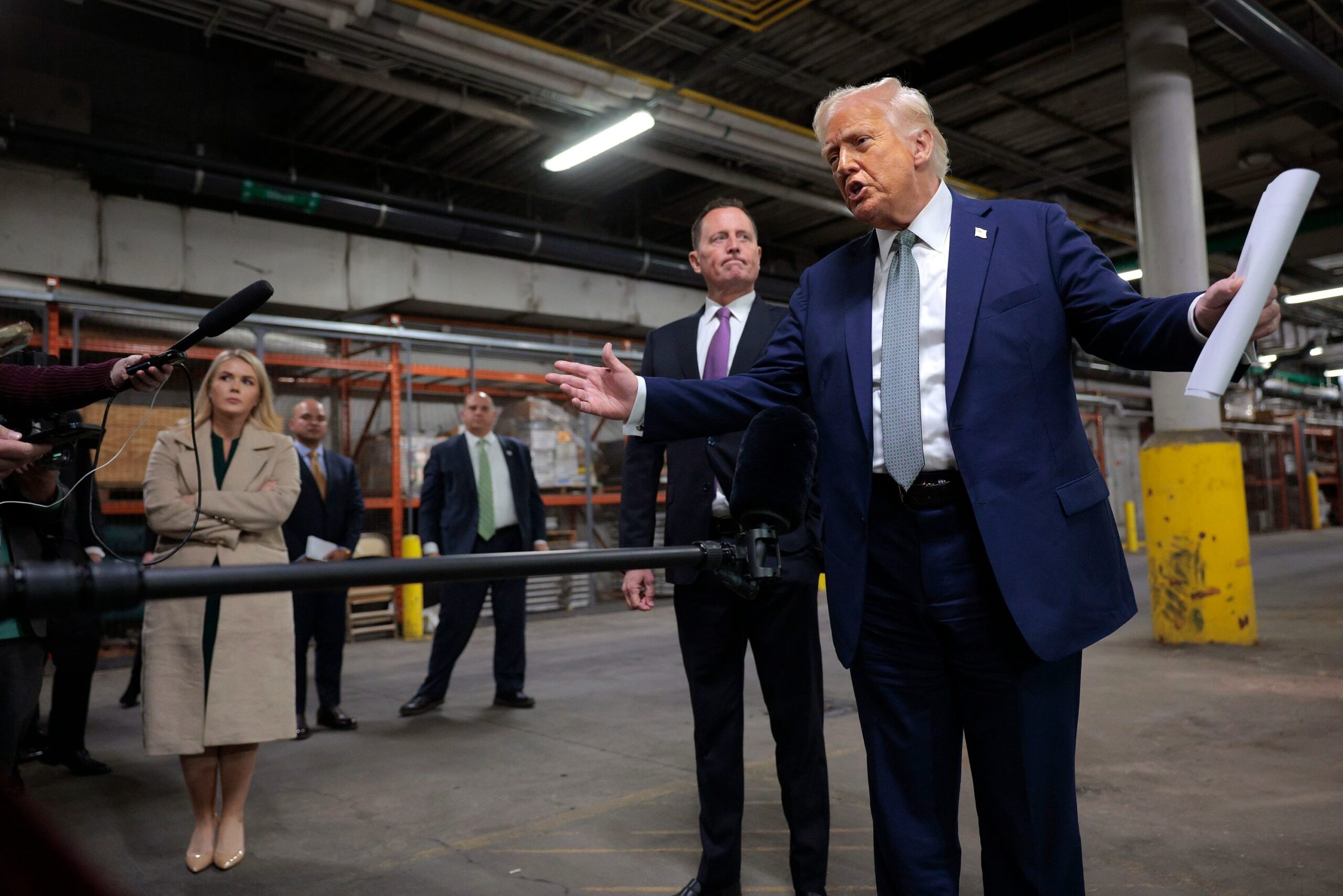
Despite those legal setbacks, debate over the center’s future has continued. Reports this week drew attention after Trump was seen reviewing materials that appeared to reference the possible demolition of the building.
A federal judge later ruled that officials must provide at least 30 days’ notice before any major changes can take place. The decision added another layer of legal oversight while leaving many questions unanswered.
The administration has argued that the building requires extensive renovation. In a court filing submitted late Friday, officials said the Kennedy Center should close for two years to allow major repairs and upgrades.
According to the filing, the facility faces serious maintenance challenges and aging infrastructure. Administration officials argued that large-scale renovation work is necessary to prevent further deterioration and preserve the building for future generations.
At the same time, staffing reductions have increased concerns about day-to-day operations. More than a dozen employees were reportedly laid off recently, including senior communications personnel. The reductions affected a workforce that had already been significantly reduced.
Supporters of the administration’s approach argue that previous leadership contributed to financial difficulties now facing the institution. They say changes are needed to improve operations and stabilize the center’s future.
Critics strongly disagree. Current and former officials, artists, and people connected to the performing arts community argue that the controversy itself has damaged fundraising efforts and weakened support from donors.
Some performers and productions have reportedly chosen not to appear at the center during the ongoing dispute. Others have expressed concerns about the institution’s direction and public image.
Many arts leaders believe the effects could continue even after legal issues are resolved. They argue that the Kennedy Center occupies a unique place in American culture and that recent events have changed how many artists and supporters view the institution.
For decades, the center has served as a national venue for theater, music, dance, and cultural events. Its role as a showcase for the performing arts has made developments there a matter of national interest.
Trump’s involvement in the center reflects a broader effort during his second term to reshape several public and cultural institutions. Supporters describe the effort as necessary reform, while opponents view it as political interference in independent organizations.
The dispute has now evolved beyond a disagreement over leadership. It has become a larger debate about governance, public funding, artistic independence, and the future of a major cultural landmark.
As court proceedings continue and renovation proposals remain under review, the Kennedy Center faces an uncertain path forward. Decisions made in the coming months could shape not only the future of the building itself but also its role in American cultural life for years to come.
