


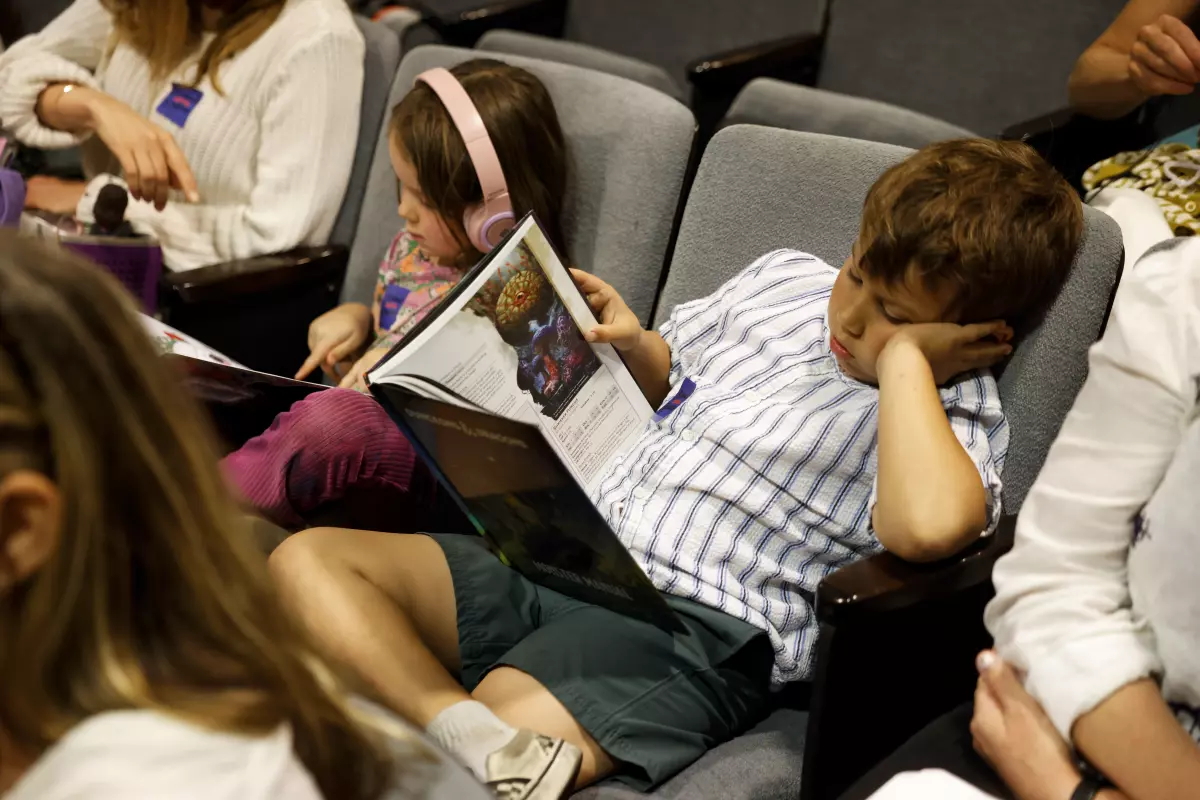
The LA school screen limit policy has been approved by the Los Angeles Unified School District, introducing strict rules on how students use digital devices in classrooms. The decision is aimed at reducing screen exposure and improving focus in schools across the district.
The school board voted in favor of the new policy, which sets limits on screen time based on grade level and subject. It also includes a full ban on device use for first-grade students.
Under the LA school screen limit plan, students in early grades will no longer be allowed to use tablets, laptops, or similar devices during school activities. The goal is to reduce early exposure to screens and encourage more direct learning methods.
The policy also includes changes to how educational technology is managed. The district will review existing edtech contracts as part of a wider audit process. This is intended to ensure that digital tools used in schools meet learning goals and safety standards.
Another major part of the policy is parent control. Schools will create a clearer system that allows parents to opt their children out of technology use in certain classroom settings. Officials say this will give families more choice in how students learn.
The LA school screen limit rules also target entertainment use in classrooms. Students will no longer be allowed to use platforms such as YouTube or other streaming services during school hours for personal or student-led viewing.
The new rules are expected to take effect in the 2026–2027 school year. Before that, a detailed screen time policy will be presented to the school board by June for final adjustments and planning.
Supporters of the policy say it is needed to address growing concerns about technology in education. They argue that students are becoming too dependent on screens during learning time.
Nick Melvoin, a member of the school board involved in drafting the policy, said the district needs to take action. He said the goal is to set clear limits and start a wider conversation about technology use in schools.
He described the decision as a major step for one of the largest school districts in the United States. The district aims to lead by example in managing screen time in education.
The LA school screen limit has also been welcomed by education advocacy groups. Some experts say children are often distracted in class due to constant access to digital devices.
Anya Meksin, a parent and education advocate from Schools Beyond Screens, said reducing screen use can improve learning. She said students often lose focus when they spend too much time on devices during lessons.
She also said there are health concerns linked to heavy screen use. According to her, research shows that long-term exposure to screens can affect attention and classroom performance.
Studies cited by education groups suggest that reducing screen time may help improve student focus and academic results. These findings have influenced school policies in several regions.
Similar rules have already been introduced in states such as Alabama and Utah. These states have taken steps to limit digital device use in classrooms, especially for younger students.
The LA school screen limit reflects a wider national debate over technology in education. Schools across the country are trying to balance digital learning tools with traditional teaching methods.
Supporters believe the policy will help students develop stronger learning habits. Critics, however, may argue that technology is important for modern education and digital skills.
As the policy moves toward full implementation, schools will continue to review how screen time is managed. The district says it will work closely with parents, teachers, and experts during the transition.
The final guidelines are expected to shape classroom learning across Los Angeles for years to come, marking a major shift in how technology is used in education under the LA school screen limit policy.
