


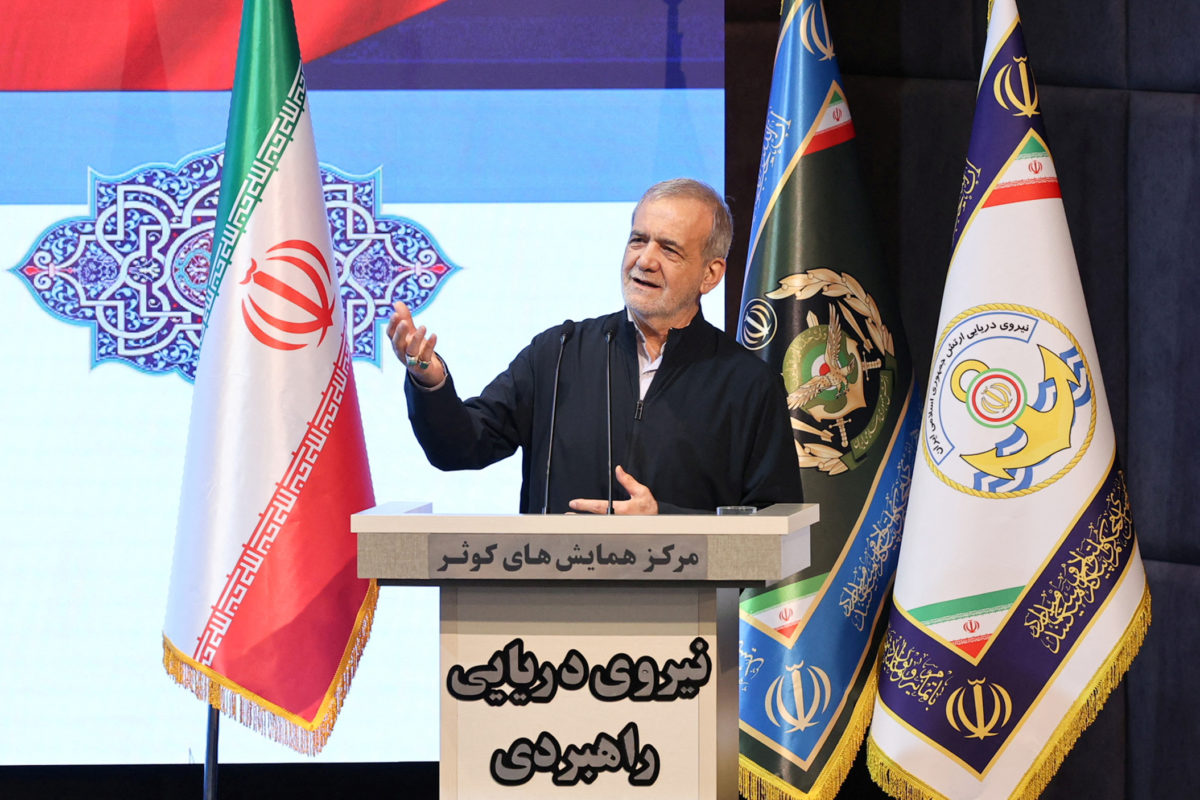
President Donald Trump has dismissed reports that communication between the United States and Iran has stopped, saying the claims are inaccurate and misleading. He stated that discussions between the two countries continue and that officials remain in contact every day.
Speaking about the ongoing negotiations, Trump said both sides had communicated earlier in the day. He stressed that talks remain active despite reports suggesting otherwise.
Trump also urged Iran to move forward with an agreement. He said the time has come for Tehran to make a decision and finalize a deal.
The comments come as the United States continues efforts to reach an understanding with Iran over its nuclear program. Negotiations have focused on reducing tensions and addressing concerns about Iran’s nuclear activities.
Secretary of State Marco Rubio provided lawmakers with an update on the talks. He said Iran has recently agreed to discuss parts of its nuclear program that it previously refused to place on the negotiating table.
According to Rubio, this marks a significant change in Iran’s position. He noted that only a year ago, Iranian officials were unwilling to discuss these issues.
However, Rubio cautioned that progress in negotiations does not guarantee a final agreement. He said there is still no certainty that any future deal would meet the expectations of lawmakers or the American public.
Rubio also revealed that Iran agreed to reopen the Strait of Hormuz as part of a ceasefire arrangement. The strategic waterway is one of the world’s most important routes for oil shipments.
Despite that commitment, Rubio said Iran has not yet reopened the passage. As a result, the United States has continued enforcement actions against Iranian shipping.
According to Rubio, U.S. authorities are blockading certain Iranian vessels and seizing ships that violate sanctions. He said these actions are creating major financial losses for Iran.
Officials estimate that the restrictions are costing Tehran hundreds of millions of dollars each day in lost revenue. The measures are designed to increase pressure on Iran while negotiations continue.
The disruption in the Strait of Hormuz has also affected global energy markets. Oil prices rose again during the latest trading session.
American consumers are feeling the impact as well. Average gasoline prices have climbed to about $4.29 per gallon, according to recent data. Rising fuel costs have become a growing concern for households and businesses across the country.
Rubio said negotiations have also been slowed by divisions within Iran’s leadership. He explained that different groups inside the government do not always respond quickly to messages or proposals from Washington.
The White House acknowledged that discussions remain active but warned that meaningful progress could take time. Officials said the diplomatic process remains complicated and requires patience from all sides.
Meanwhile, another decision by Trump has generated political discussion in Washington.
The president announced that David Pulte, who currently leads the Federal Housing Finance Agency, will serve as acting director of national intelligence.
Pulte is considered a close Trump ally. However, the appointment has raised questions because he does not have a known background in intelligence or national security work.
Critics argue that leading the nation’s intelligence community requires specialized experience, particularly during a period of international tensions involving countries such as Iran.
Supporters of the appointment say Pulte has earned Trump’s confidence and can provide leadership during a challenging period.
In a separate announcement, Trump confirmed that he will attend the White House Correspondents’ Dinner after the event was rescheduled.
The dinner had been postponed following a shooting incident in April. Organizers have now set a new date in July.
Trump said public events should continue despite security concerns. He added that violent incidents should not be allowed to disrupt normal life or national traditions.
Organizers have announced enhanced security procedures and updated access rules for attendees. Officials say the changes are intended to ensure the safety of guests while allowing the event to proceed as planned.
As negotiations with Iran continue, attention remains focused on whether both sides can reach a deal that reduces tensions and addresses concerns about nuclear activities in the region.
