


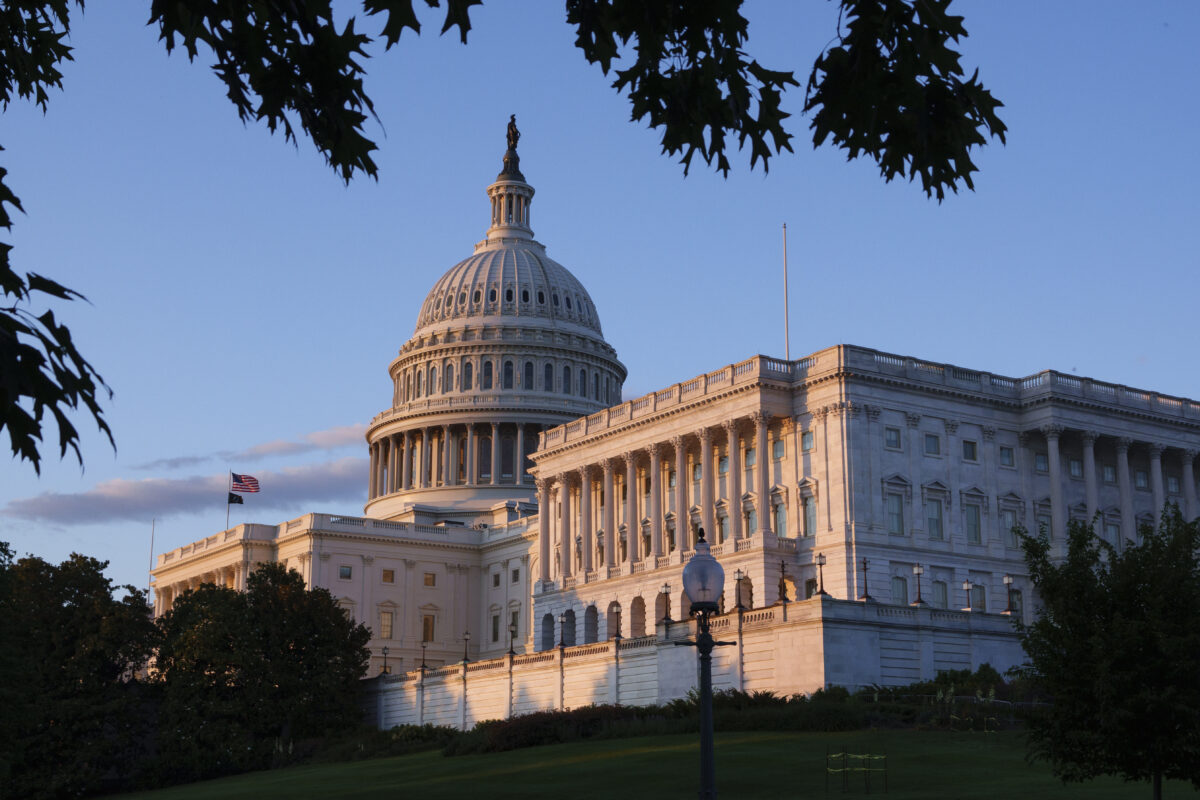
A transportation bill approved by the US House Transportation Committee is drawing criticism from several groups before it moves to the Senate. Supporters say the legislation will improve safety and modernize the nation’s transportation system. Critics argue that the bill reflects political compromises and competing interests more than clear public policy goals.
The proposed legislation would authorize about $580 billion for roads, bridges, railways, transit systems, and other transportation programs. It is part of the regular process Congress uses to renew federal transportation funding.
Lawmakers backing the bill say it will strengthen infrastructure, improve safety standards, and support economic growth. They also argue that the measure will help states maintain and upgrade transportation networks across the country.
However, some policy experts and advocacy groups believe several parts of the bill deserve closer review.
One major issue involves rail safety rules. Critics point to provisions that would ease the timeline for replacing older rail tank cars used to carry hazardous materials.
The National Transportation Safety Board has previously recommended replacing these older tank cars as quickly as possible to reduce safety risks. Some observers question why the proposed bill would slow that process while promoting other safety measures.
Another debate centers on freight rail inspections. The bill includes language about who can perform inspections on freight cars.
Labor unions have supported stricter rules that would limit inspections to certain qualified rail workers. Rail companies have argued that other trained employees can also perform some inspections safely while helping reduce operating costs.
The final version approved by the House committee includes a compromise between those positions. Supporters say it balances safety and workforce concerns. Critics argue the decision reflects political negotiations rather than measurable safety evidence.
Technology is another area of disagreement.
Some labor organizations have expressed support for preparing workers as autonomous trucking technology develops. They have encouraged policymakers to focus on job training and worker transition as automation becomes more common.
At the same time, some of those groups have opposed wider use of automated inspection systems in freight rail. Supporters of the technology say advanced systems can detect equipment problems earlier and improve overall rail safety.
The different approaches have fueled debate over how new technology should be introduced across different parts of the transportation industry.
Funding is also a major point of discussion.
The bill would authorize hundreds of billions of dollars in transportation spending. Some fiscal experts say it does not include enough long-term solutions for the Highway Trust Fund, which helps finance federal transportation projects.
Several analysts have called for broader financial reforms to ensure stable funding in the future instead of relying on temporary measures.
The legislation also proposes new federal registration fees for electric and hybrid vehicles.
Supporters argue that owners of these vehicles should contribute to road maintenance because they use little or no gasoline and therefore pay less in fuel taxes.
Opponents hold different views. Some environmental groups believe the new fees could slow electric vehicle adoption. Some conservative organizations argue the proposal increases federal involvement in vehicle registration and transportation policy.
Other organizations have also raised concerns.
Transit advocates say the bill does not provide enough support for public transportation and passenger rail services. Environmental groups have questioned some permitting and climate-related provisions. Some Republicans have expressed concerns about sections that could increase federal authority over state transportation decisions.
The wide range of opinions highlights the challenges lawmakers face while writing large transportation legislation that affects many industries and communities.
The bill will now move to the Senate, where lawmakers are expected to review its major provisions. Senators may propose changes before any final legislation is approved.
Transportation policy remains one of the largest areas of federal spending. Decisions made during the legislative process could influence infrastructure investment, rail safety, vehicle regulations, and transportation funding for years to come.
As the Senate begins its review, lawmakers are expected to continue debating whether the proposed measures provide the greatest public benefit while maintaining safety, improving efficiency, and supporting responsible long-term spending.
