


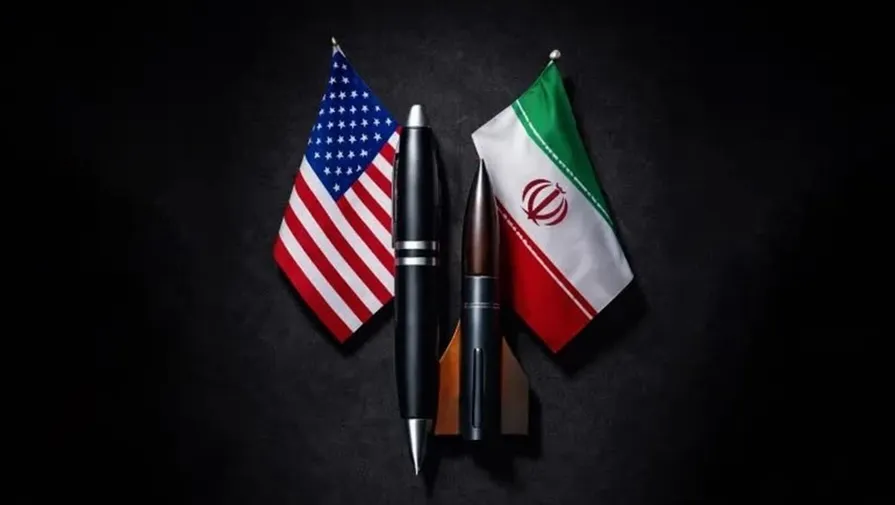
The United States and Iran have reportedly agreed to halt military attacks ahead of a new round of talks in Doha, Qatar, raising hopes for a reduction in tensions around the Strait of Hormuz. The meeting is expected to focus on maritime security after recent fighting threatened one of the world’s busiest energy shipping routes.
According to officials cited in reports, both countries have agreed to pause military operations before the negotiations. One U.S. official said all kinetic activities, meaning military strikes and attacks, would stop while diplomatic efforts continue. Another official said both sides would step back for now so commercial shipping could move safely through the strategic waterway.
The Doha meeting is scheduled for Tuesday and follows several days of renewed violence despite an earlier temporary ceasefire. Officials familiar with the discussions said the talks were originally planned for Switzerland to address Iran’s nuclear program. However, growing tensions shifted both the location and the main topic to the Strait of Hormuz.
The waterway remains one of the world’s most important oil and gas shipping routes. Any disruption there can quickly affect global energy markets and international trade. Officials hope technical discussions in Doha can lower the risk of future military incidents and restore confidence for commercial shipping.
Reports said previous negotiations produced an agreement to create a direct communication hotline between the U.S. military and Iran’s Islamic Revolutionary Guard Corps. The hotline would help both sides coordinate shipping traffic and avoid misunderstandings during periods of heightened tension. However, officials said the system had not become operational before the latest exchange of attacks.
The current ceasefire has faced repeated challenges. Both Washington and Tehran have accused each other of violating the temporary agreement that was reached earlier this month. The memorandum reportedly calls on Iran to make every effort to ensure safe passage for commercial vessels through the Strait of Hormuz. In return, the United States would ease restrictions affecting Iranian ports.
The diplomatic effort follows a series of military incidents that raised fears of a wider regional conflict. An Iranian projectile struck a cargo vessel in the Strait of Hormuz, leading to fresh accusations and retaliatory military action. In response, both countries carried out strikes that threatened to derail the ceasefire.
Iran launched missiles and drones targeting U.S. military facilities in Kuwait and Bahrain after American officials warned Tehran against violating the temporary agreement. Authorities in Kuwait reported intercepting incoming missiles and drones without casualties, while Bahrain said a residential building was damaged during one of the attacks, though no injuries were reported.
Iran’s Revolutionary Guard said the attacks were a response to American military actions, claiming that U.S. strikes had broken the ceasefire. Iranian state media reported that officials viewed the latest attacks as grounds to suspend diplomatic engagement until the agreement’s conditions were fully respected.
Iranian officials also raised concerns about sanctions relief promised under the temporary understanding. A representative linked to Iran’s leadership said one important condition involved verifying access to previously unfrozen financial assets. He argued that without access to those funds, the agreement had not been fully implemented.
Meanwhile, Israel continued military operations in southern Lebanon, saying it targeted Hezbollah positions and underground infrastructure. The strike came shortly after Israel accepted a separate ceasefire arrangement with Lebanon aimed at reducing hostilities along the border. Iranian officials have previously linked broader regional stability to developments involving Israel and Lebanon.
President Donald Trump also issued strong public warnings during the latest crisis. In social media posts, he said military action could continue if diplomacy failed, adding that the United States remained prepared to complete its objectives if necessary.
Despite recent violence, both governments now appear willing to return to negotiations. Officials hope the Doha meeting can strengthen the ceasefire, improve shipping security through the Strait of Hormuz, and create conditions for broader discussions, including future negotiations over Iran’s nuclear program. The outcome of the talks could play a major role in determining whether diplomatic progress replaces military confrontation in the weeks ahead.
