


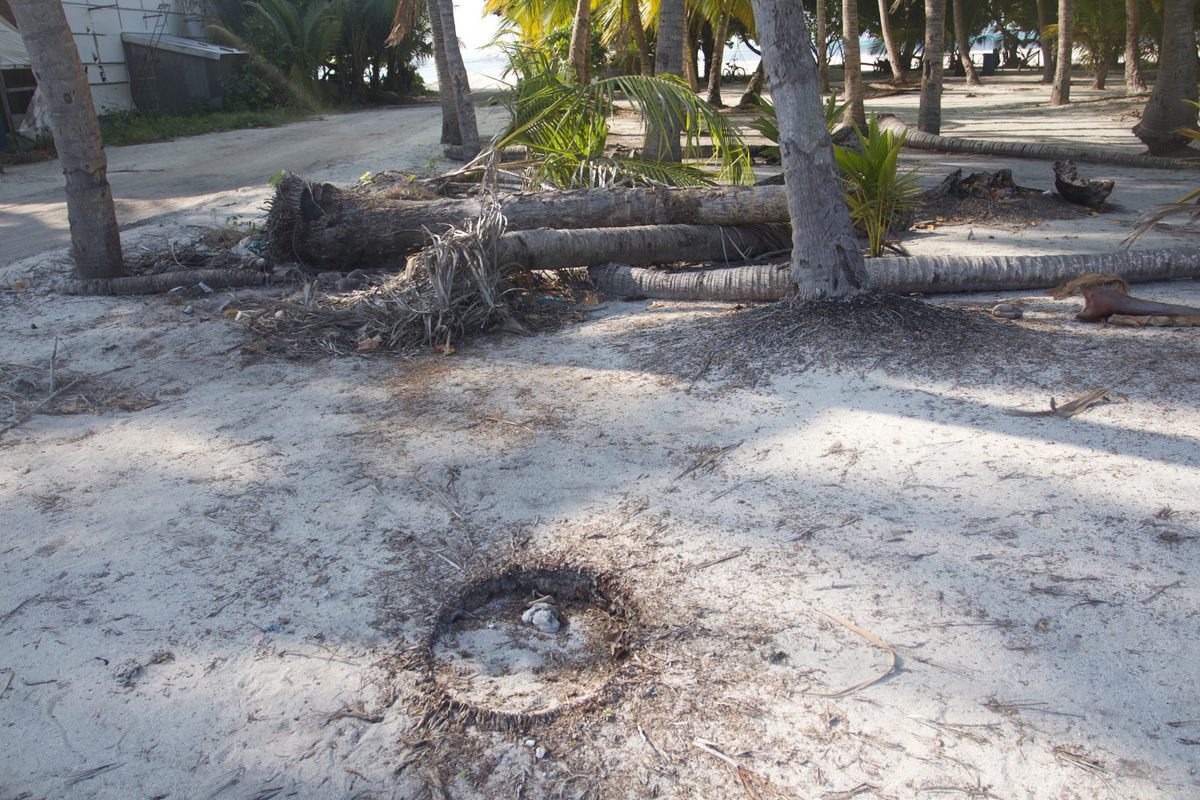
Residents across many urban and suburban areas are noticing a troubling trend: their local trees are disappearing. This neighborhood tree loss is the result of a combination of human activity, environmental stressors, and natural disease, posing serious consequences for communities.
One of the primary causes of tree loss is urban development. As cities and suburbs expand, construction projects often require the removal of mature trees to make way for housing, roads, and commercial buildings. While development is essential for economic growth, it often comes at the cost of green spaces, reducing shade, biodiversity, and the natural beauty of neighborhoods.
Another contributing factor is the spread of pests and diseases. Invasive insects like the emerald ash borer or Asian longhorned beetle attack local tree species, weakening or killing them over time. Fungal infections and other pathogens also threaten tree health, particularly in older or stressed trees. Once these pests take hold, they can spread rapidly, leading to widespread loss in affected areas.
Climate change compounds the problem. Rising temperatures, prolonged droughts, and more extreme weather events place significant stress on urban trees. Trees that once thrived under local conditions may now struggle to survive, making them more susceptible to disease and reducing their overall lifespan. Heat waves, heavy storms, and fluctuating rainfall patterns all contribute to neighborhood tree loss.
In addition to ecological impacts, the disappearance of trees affects human well-being. Trees provide shade, cool urban areas, improve air quality, and reduce noise pollution. Their removal can increase energy costs as homes and streets become hotter in the absence of natural cooling. Neighborhoods without trees may also see declines in property values and overall livability, as residents lose the aesthetic and psychological benefits that greenery provides.
Municipal policies and management practices play a role as well. In some cases, inadequate maintenance, improper pruning, or delayed replacement of lost trees exacerbate the decline. Public awareness campaigns and community engagement are crucial to ensure that urban forestry programs are effective and sustainable.
Local residents and advocacy groups are taking action to combat neighborhood tree loss. Community tree-planting initiatives, adoption programs, and volunteer efforts aim to replace lost trees and preserve green spaces. These programs also emphasize planting native species that are better adapted to local conditions and more resilient to pests and climate stress.
Experts emphasize that prevention is as important as restoration. Protecting existing trees through proper care, monitoring for pests and disease, and enforcing regulations against unnecessary removal can slow the loss and preserve urban canopies. Collaboration between city planners, homeowners, and environmental organizations is essential for long-term sustainability.
Technology is also being leveraged to address the problem. Remote sensing, satellite imagery, and geographic information systems help track tree health, monitor urban forests, and identify areas at risk. Data-driven approaches allow municipalities to prioritize interventions and allocate resources efficiently.
The cumulative effects of neighborhood tree loss are significant. Beyond environmental and aesthetic impacts, the reduction of urban greenery can affect mental health, increase urban heat, and reduce overall biodiversity. Trees support birds, insects, and other wildlife, making their disappearance a concern for entire local ecosystems.
In conclusion, neighborhood tree loss is the result of multiple interacting factors, including development, pests, climate stress, and insufficient maintenance. Addressing this challenge requires a combination of community action, municipal planning, and long-term sustainability strategies. By protecting existing trees and investing in new plantings, neighborhoods can preserve the environmental, social, and economic benefits that trees provide for generations to come.
