


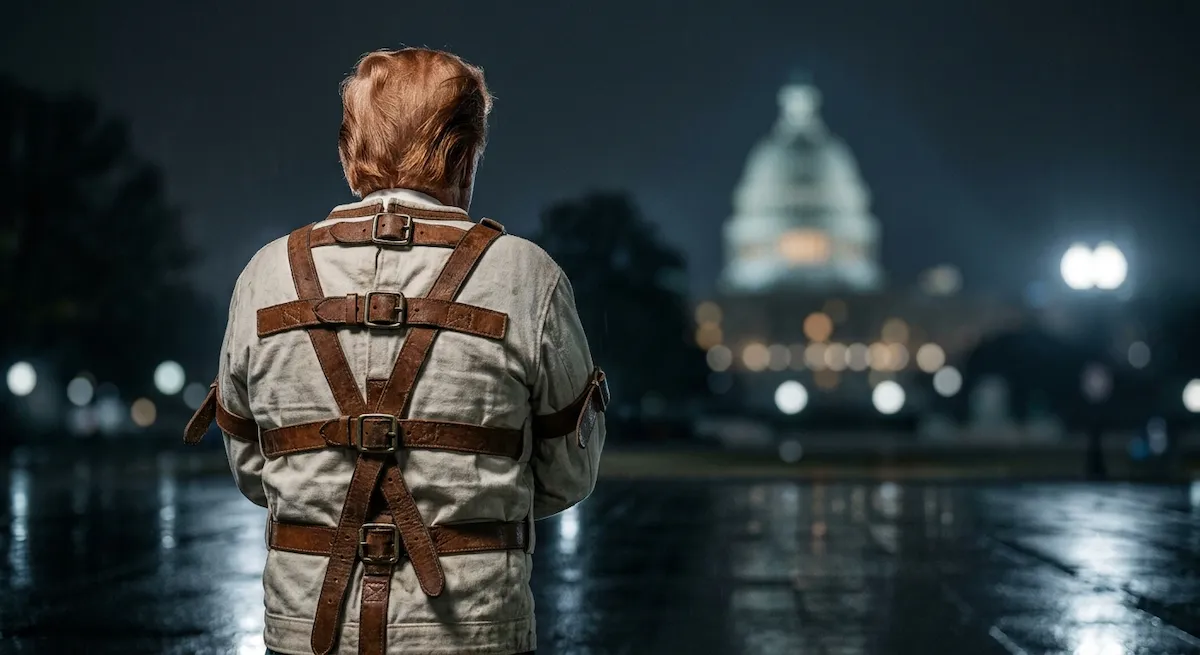
The global influence of President Donald Trump remains significant, but some political analysts believe his ability to reshape international affairs is becoming more limited. They argue that growing resistance from foreign governments, domestic institutions, and political allies has reduced the impact of some of his most ambitious foreign policy initiatives.
Since returning to office, Trump has pursued an agenda focused on trade, national security, immigration, and reshaping America’s role in global affairs. His administration has taken a more confrontational approach toward several countries while promoting policies designed to strengthen US economic and strategic interests.
According to the analysis, Washington became one of the main sources of geopolitical uncertainty during the first year and a half of Trump’s second term. The argument is that major changes in US foreign policy created uncertainty for allies, competitors, and global markets.
One example highlighted is the administration’s trade policy toward China. The United States introduced steep tariffs on imported goods and sought to reduce economic dependence on Chinese products. The strategy aimed to pressure Xi Jinping and encourage changes in China’s trade practices.
However, China responded with its own economic measures rather than making immediate concessions. Analysts note that Beijing relied on its position in the global supply chain for rare earth minerals and other critical materials, creating additional pressure on American industries. The analysis argues that both countries ultimately faced significant economic costs, encouraging negotiations instead of further escalation.
The report also examines recent tensions involving Iran. According to the analysis, the Trump administration sought to weaken Iran’s military capabilities, nuclear program, and regional influence. Instead of quickly changing its position, Iran continued military operations and increased pressure on regional energy routes, including the Strait of Hormuz.
The Strait of Hormuz remains one of the world’s most important shipping routes for oil exports. Any disruption in the waterway can affect global energy prices and financial markets. The analysis argues that concerns over economic consequences influenced the eventual direction of US policy during the crisis.
Political observers cited in the analysis suggest these episodes demonstrate that even the world’s largest military and economic power faces practical limits when dealing with complex international disputes. They argue that prolonged conflicts can create economic costs that governments seek to avoid.
The article also suggests that political resistance to Trump’s policies has gradually increased. As the next congressional elections approach, some foreign leaders appear more willing to express disagreement with Washington’s positions than earlier in his presidency.
Among the examples mentioned is Giorgia Meloni, who reportedly criticized aspects of her interactions with the US president despite generally maintaining close relations with his administration. The analysis argues that some international leaders may now see greater political space to challenge US policies.
Within the United States, the analysis also points to signs of growing debate inside the Republican Party. Some Republican lawmakers have supported congressional efforts to increase oversight of military actions overseas, reflecting differences over aspects of foreign policy and executive authority.
Despite these developments, the article notes that Trump continues to hold considerable political influence. He remains the leader of the Republican Party and maintains strong support among many conservative voters. His administration also continues pursuing policies aimed at strengthening presidential authority, reforming government institutions, and advancing its domestic agenda.
Looking ahead, the analysis suggests that future US foreign policy may rely more on targeted actions rather than large-scale international military operations. The author argues that Washington could focus on regions where the United States holds greater economic and political leverage.
Latin America is identified as one possible area of continued attention. Countries including Venezuela, Mexico, and Cuba are discussed as places where the administration may continue pursuing strategic objectives because of their geographic proximity and longstanding relationship with the United States.
The article also mentions Claudia Sheinbaum as an important regional leader whose government continues to engage with Washington on security, migration, and economic issues.
The analysis concludes that while Trump remains one of the world’s most influential political figures, his ability to produce far-reaching global changes may be more constrained than during the early months of his second term. According to the author’s assessment, future international actions are more likely to focus on limited strategic objectives rather than broad efforts to reshape the global political order.
