


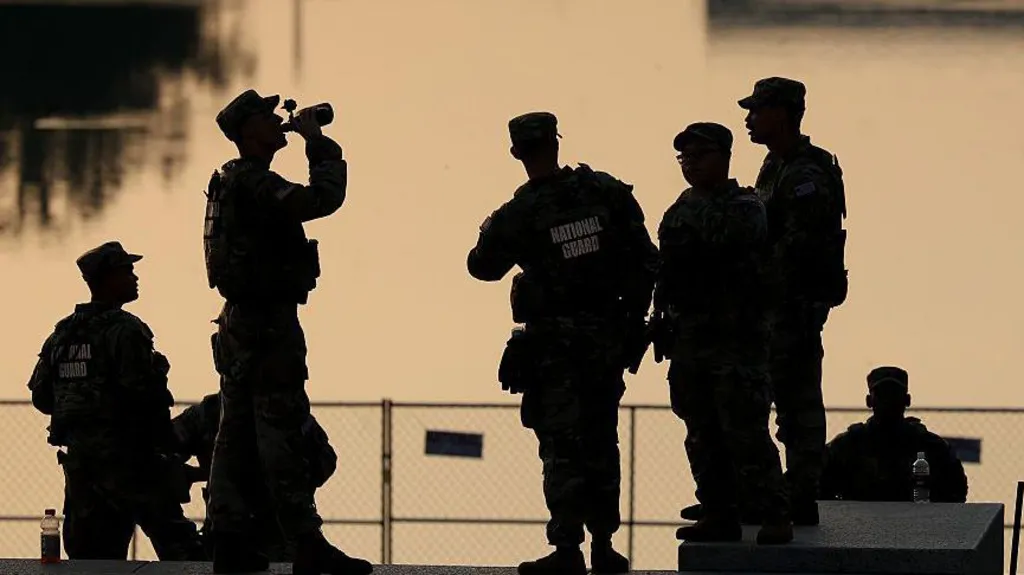
Extreme heat disrupted Independence Day celebrations across the United States as dangerous temperatures forced the cancellation of major public events and sent people to hospitals with heat-related illnesses.
More than 165 million people were under heat alerts on Friday as record-breaking temperatures spread across the East Coast and parts of the Midwest, according to the National Weather Service. The intense heat affected holiday plans, outdoor celebrations, and public safety during one of the busiest travel weekends of the year.
Several Fourth of July events were cancelled because of the extreme weather. In Washington, DC, organizers called off the Independence Day morning parade after reviewing the weather conditions. Officials said the safety of participants, spectators, volunteers, and staff remained the top priority.
The Great American State Fair on the National Mall, held as part of celebrations marking the United States’ 250th anniversary, was also temporarily closed. The event reopened later in the day after weather conditions improved.
Emergency crews responded to several medical incidents during the fair. The DC Fire and EMS Department treated multiple people for heat-related illnesses caused by the record temperatures. At least 11 people were transported by ambulance from the event, although officials did not confirm whether every patient was suffering from heat-related conditions.
Visitors described the difficult conditions at the fair. Some attendees reported seeing medical staff helping people who became ill because of the extreme heat. Cooling stations and emergency responders remained active throughout the event.
Philadelphia also cancelled one of its biggest Independence Day celebrations. The city’s Salute to Independence Semiquincentennial Parade was called off because of the dangerous temperatures.
Organizers said the event could not safely take place under the weather conditions. The decision affected thousands of expected spectators and participants who had planned to celebrate the national holiday outdoors.
Other Independence Day events were also cancelled across New Jersey, Maryland, Pennsylvania, and Colorado as local officials monitored the growing health risks linked to the heatwave.
Despite the extreme weather, some major events continued with changes. Public entry to the outdoor A Capitol Fourth concert in Washington, DC, was delayed for several hours to reduce the risk of heat exposure during the hottest part of the day.
Meanwhile, Donald Trump is expected to attend an outdoor celebration marking America’s 250th anniversary despite the high temperatures. The holiday weekend also includes several outdoor matches at the 2026 FIFA World Cup, increasing concerns for players, workers, and fans.
Weather experts warned that temperatures in Washington, DC, and Philadelphia could climb above 40C, with humidity making conditions feel even hotter. Heat index values were expected to approach historic records in several cities.
The heatwave also affected other major urban areas. New York City reached 38C on Thursday, its hottest day since 2012. High humidity kept heat index values above 100F again on Friday.
Zohran Mamdani, the mayor of New York City, warned residents that the conditions were extremely dangerous. Officials encouraged people to stay indoors when possible, drink plenty of water, and avoid long periods of outdoor activity during the hottest hours.
Forecasters expect the dangerous heat to continue through much of the holiday weekend. While temperatures may begin to ease in some central parts of the country, the eastern United States is expected to remain under intense heat through Saturday and Sunday.
Meteorologists are also tracking severe thunderstorms expected across the northern Plains, the Midwest, and the Great Lakes. These storms could bring damaging winds, large hail, flash flooding, and isolated tornadoes as cooler air moves into some regions.
The heat is then forecast to shift farther south and west. Parts of Virginia, the Carolinas, and the southeastern United States are expected to experience even higher temperatures before the heat expands into western states and parts of Canada next week.
Scientists continue to warn that climate change is increasing the frequency, intensity, and duration of extreme heat events. Rising global temperatures are making heatwaves more common, creating greater risks for public health, infrastructure, and outdoor activities during the summer months.
